

The Municipal Auditorium Renovation gives UMKC basketball a different stage for the 2026-27 season: larger, older, more visible, and now tied to a voter-backed civic investment. The central fan-experience question is not whether history alone can lift a program. It is whether a downtown arena, targeted building upgrades, and a clearer UMKC presence can make home games feel easier to attend and more connected to Kansas City basketball culture.
That is a practical question after a hard competitive year. UMKC men’s basketball finished 4-27 in 2025-26, according to the research record provided for this report. A move into a 10,700-seat arena does not change results by itself, but it can change the environment around a program: ticketing scale, student trips, alumni access, donor visibility, and the daily impression a venue makes on recruits and families.
Municipal Auditorium Renovation And The Roos Return
Kansas City’s funding action came before the Roos’ downtown return reached its first full men’s basketball home season. On August 4, 2026, voters approved Question 2, a $100 million general obligation bond for improvements to city-owned buildings. The city legislative file identifies the measure, and public reporting tied roughly $75 million of that bond to convention complex work that includes Municipal Auditorium, Bartle Hall and the Music Hall Kansas City file 260960.
Municipal Auditorium Renovation Timeline
The Municipal Auditorium Renovation is part of Phase 0 work targeted around 2028. The supported project scope includes arena seating modernization, restroom and concession upgrades, ADA improvements, exterior work, and preservation-related attention at the Music Hall. For basketball fans, those categories matter because the game-night experience is shaped as much by arrival, movement, comfort, and wait times as by the view from a seat.
UMKC’s May 2026 announcement set the basketball terms of the move. The school said the men’s team would play its full 2026-27 home schedule at Municipal Auditorium, while the women’s team would split home games between Municipal Auditorium and Swinney Center. The same announcement said UMKC’s base rental cost for basketball games at Municipal Auditorium would be free under the lease arrangement, with UMKC covering operational event costs such as staffing, box office and security, while the city would fund facility enhancements connected to basketball operations UMKC’s return announcement.
Why Downtown Changes The Fan Trip
The move to Municipal Auditorium changes the travel pattern for many UMKC supporters. The research record notes that the KC Streetcar gives students, alumni and other fans a direct link from the Volker/Crossroads area toward downtown. That matters for a program trying to build repeat attendance, because the easiest fan habit is the one with fewer parking, timing and distance barriers.
The planned exterior connection to Barney Allis Plaza also points to a wider arena plan. Better walkability and gathering space can affect how early fans arrive, how groups meet before games, and how the building presents itself before tipoff. Comparable venue projects have treated access and concourse flow as core fan issues, as seen in coverage of Ball Arena renovations, where building updates were assessed through the lens of movement and comfort.
What The $75 Million Work Changes Inside
The highest-value upgrades for fans are often the least dramatic in a highlight video. Seating, bathrooms, concessions and accessibility decide whether a family, student group, alumnus or casual fan wants to return. For fans, the Municipal Auditorium Renovation puts those basic arena functions at the center of the project rather than treating them as side details.
Seating, Restrooms And Concessions
Modernizing arena seating can affect sightlines, comfort and the feeling of a college basketball crowd inside a larger room. Municipal Auditorium’s 10,700-seat capacity gives UMKC a much bigger home footprint than Swinney Center, based on the research record. That size can be useful only if the building feels organized for college basketball rather than simply available for it.
Restroom and concession upgrades carry similar weight. Fans judge arenas during stoppages, halftime and postgame exits, not just during possessions. Shorter, clearer and more reliable service points can reduce friction, especially for families and older fans. The available research does not provide a detailed layout, vendor plan or fixture count, so any exact claim about line reduction would be unsupported. What can be said is narrower and stronger: the approved scope directly targets two of the most common pressure points in an older arena.
Accessibility And Operations
ADA improvements are listed among the Phase 0 priorities, which gives the project a broader public value than cosmetic change. Accessibility upgrades can influence seating options, entry points, routes through the building and restroom access. The research materials do not specify the full design package, so the impact should be measured once completed elements are visible to fans.
Operationally, the lease structure matters. UMKC is responsible for event expenses, while the city funds facility enhancements tied to basketball operations. That split gives the school a way to host in a historic downtown arena without a base rental charge for the 2026-27 season, while placing capital work within the city’s building-improvement plan. For a mid-major program, that arrangement can redirect attention from basic venue access toward presentation, staffing, student turnout and alumni outreach.
Work already completed or underway also supports the change in identity. The research record states that Municipal Auditorium received fresh paint and extensive collegiate branding before the Roos’ return, with work continuing on the coaches’ suite. Branding does not win games, but it can make the building feel less like a borrowed civic hall and more like a home court.
History Gives The Move A Basketball Frame
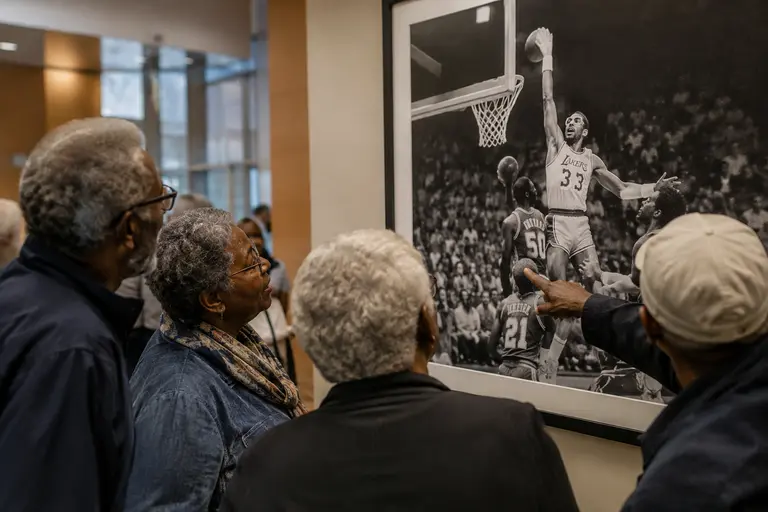
Municipal Auditorium carries a history that few college basketball venues can match. The building opened on December 1, 1935, with the Music Hall and Little Theatre completed in 1936. It is an Art Deco landmark, listed on the National Register of Historic Places, and the research record credits it with hosting nine NCAA Final Fours, the most of any college basketball arena.
Final Four Past, UMKC Present
That history creates opportunity and risk. The opportunity is obvious: UMKC can associate its home games with a building known for major college basketball moments. The risk is that nostalgia can outpace the live experience if fans encounter dated amenities, confusing access or limited team identity. The Municipal Auditorium Renovation is the bridge between those two realities.
There is value in placing a developing program inside a building with memory, but the fan experience must be current. A historic venue can help frame pregame marketing, alumni events and civic pride. Yet the most repeatable benefit comes from the daily details: readable entry, clean routes, comfortable seating, functioning concessions and a court environment that looks intentional.
Scale, Branding And Program Visibility
The 10,700-seat scale creates a larger canvas for UMKC than its campus facility offered. It also raises the standard for atmosphere. A half-empty larger arena can feel distant, while a well-staged building can make even modest crowds feel organized and loud. That places pressure on scheduling, student transport, pricing strategy and in-game presentation, though the research provided does not include those operating details.
The fan-experience case is strongest where public facts and visible upgrades overlap. A downtown site, streetcar access, collegiate branding, planned seating work, restrooms, concessions and ADA improvements all point toward a more complete night out. For readers interested in venue and club development within interconnected sports communities, AP Levante offers related insights within the same network.
Municipal Auditorium Renovation’s UMKC Basketball Test
The Municipal Auditorium Renovation should be judged by evidence rather than ceremony. Useful markers after the first phase of work would include attendance patterns, student turnout, repeat ticket buying, fan feedback on access and concessions, and whether the building consistently feels like UMKC’s home rather than a rented stage.
As of November 9, 2026, the supported record shows a clear civic and athletic bet: Kansas City has approved bond funding, UMKC has moved its men’s home schedule downtown for 2026-27, and the venue plan targets the core pieces of fan comfort. The history of Municipal Auditorium gives the project weight. The upgrades will decide whether that history becomes a practical advantage for Roos basketball.