

The NCAA eligibility rule adopted on June 23, 2026, has already moved from policy change to courtroom dispute, with college basketball roster planning caught in the middle. The central shift is clear: Division I moved to an age-based eligibility model, while legal challenges from some Class of 2022 athletes have tested how far back the new standard should reach.
How The NCAA Eligibility Rule Changed Eligibility
On June 23, 2026, the NCAA Division I Cabinet unanimously adopted an age-based model that allows student-athletes up to five years of eligibility if they enroll full-time no later than the academic year after their 19th birthday, according to the NCAA announcement. The same NCAA release said the model removes prior season-of-competition limits, redshirt rules, and sport-specific waiver systems.
The NCAA eligibility rule becomes the only standard for those enrolling full-time in fall 2027 or later. For student-athletes enrolling in 2026-27, and for those with eligibility remaining after 2025-26, schools must apply whichever eligibility structure is most beneficial. That transition detail matters for basketball programs because roster planning often begins well before a player signs, transfers, or withdraws from the draft process.
NCAA Eligibility Rule Timeline For Coaches
The timing creates two distinct groups. First, athletes already in college or entering during 2026-27 can be evaluated under the old or new framework, depending on which one helps them. Second, players who enroll in fall 2027 or later fall under the age-based model alone. That makes the 2026-27 academic year a bridge period rather than a clean reset.
The NCAA also identified limited exceptions that can delay or pause the eligibility clock: pregnancy, active-duty military service, and official religious missions. During those exceptions, the athlete may not compete in organized sports. For basketball staffs, those provisions are not everyday roster tools, but they are part of a clearer rulebook than the previous mix of redshirts, season counters, and waiver paths.
Legal Challenges After The Wisne Decision
The most direct appellate ruling in the available record came on November 6, 2026, in Wisne v. NCAA, No. 26-1309. The 10th U.S. Circuit Court of Appeals reversed a lower court injunction that had granted Class of 2022 athletes an extra season under the new rule, as reflected in the published Wisne ruling.
The plaintiffs in that case challenged the NCAA’s refusal to apply the new model retroactively to Class of 2022 athletes. They alleged a violation of Section 1 of the Sherman Act, arguing that exclusion from the fifth season operated as an unreasonable restraint of trade. The NCAA’s position, as described in the case record, was that retroactive application would disrupt roster stability and interfere with settled expectations around playing time and team spots.
Why The Non-Retroactivity Fight Matters
The legal dispute is not only about one group of athletes seeking one extra year. It also tests whether a national eligibility change can be phased in without opening the door to claims from athletes who narrowly missed the new standard. In roster terms, retroactivity can place an unexpected veteran into a team’s plans after scholarship allocation, recruiting decisions, and transfer discussions have already taken shape.
The research record also identifies additional state-court lawsuits in Ohio, Georgia, and Tennessee involving athletes from the high school Class of 2022 who sought a fifth season. In Ohio, the research indicates that 15 former players from that class won a preliminary injunction allowing extra participation in 2026-27. Those state-level outcomes sit beside the 10th Circuit decision rather than replacing it, which leaves schools facing a patchwork of orders and appeals rather than one uniform practical answer as of November 10, 2026.
Basketball Roster Effects In 2026-27
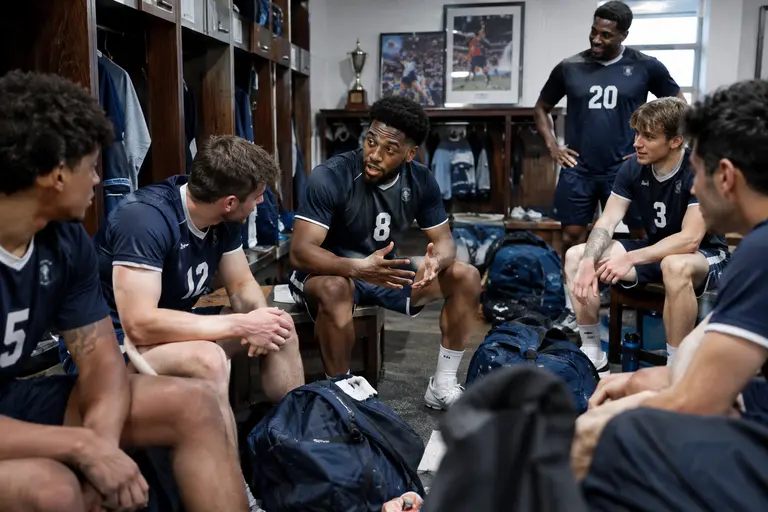
For college basketball, the NCAA eligibility rule lands hardest where roster math is least forgiving: guard depth, frontcourt development, scholarship allocation, and the transfer market. A fifth year can be highly valuable in basketball because older players often bring physical maturity, defensive awareness, and game experience. That does not guarantee impact, but it changes the competition for minutes.
Programs evaluating a returning fifth-year player must balance short-term lineup stability against developmental space for younger recruits. That is especially relevant for freshmen and sophomores who need game reps to become rotation players. If a court order places a veteran back on a roster after a staff has already recruited or accepted transfers, the squeeze can fall on the least established players.
Depth Charts, Transfers, And Player Development
The 2026-27 basketball roster picture is tied to more than eligibility law. Schools are also working through wider questions about roster limits and scholarship structures. A related analysis of NCAA team limits explains how roster structures can affect scholarship planning across sports. The eligibility shift fits into that same operational pressure point: coaches have to decide who can contribute now, who needs development time, and who may seek a clearer path elsewhere.
The transfer implications are practical rather than theoretical. The research notes say some preliminary injunctions allowed certain Class of 2022 athletes to re-enter rosters or transfer free of restrictions. That can affect both the player leaving and the team receiving him. A mid-cycle roster addition can strengthen a rotation, but it can also reduce minutes for a younger player who expected a defined role.
For player development, the key issue is opportunity. Coaches often speak in terms of roles, but roles are limited. A fifth-year guard can stabilize late-game possessions, while a young guard may need those same possessions to learn. A fifth-year post player can handle physical matchups, while a younger frontcourt player may lose the repetitions needed to grow. Those choices are not automatically harmful or beneficial; they depend on roster construction, coaching philosophy, and the legal status of each athlete.
- Returning veterans: Programs may gain experience, but minutes can become tighter for younger players.
- Incoming recruits: Some may enter deeper depth charts than expected when they committed.
- Transfers: Court orders allowing participation can create late roster movement.
- Staff planning: Eligibility reviews now sit closer to scholarship and rotation decisions.
For more insights into related sports themes, Back2Tap offers coverage of the competition and roster challenges that resonate across different leagues and levels.
NCAA Eligibility Rule And College Basketball Rosters
The NCAA eligibility rule has created a defined future standard, but the transition period has been uneven. Division I athletes enrolling in fall 2027 or later have a single age-based model. Athletes in the 2026-27 transition group require a comparison between old and new rules. Class of 2022 athletes seeking retroactive access have produced litigation that is still shaping how schools manage risk.
What Is Known As Of November 10, 2026
As of November 10, 2026, the clearest confirmed points are these: Division I adopted the age-based model on June 23, 2026; the model allows up to five years of eligibility for athletes who meet the enrollment timing standard; the transition rules protect athletes who benefit from the old system; and the 10th Circuit reversed an injunction that had extended the benefit to certain Class of 2022 athletes. The record also shows active tension between state-court orders and the NCAA’s national rule application.
For basketball programs, the effect is immediate in planning but still bounded by confirmed eligibility decisions. Coaches can evaluate veterans under the rules available to them, but they cannot assume every legal challenge will succeed. Players can assess their options, but a court order in one state or case does not automatically settle every roster question nationwide. The most careful reading is that college basketball has a new eligibility structure, a contested transition period, and a roster-management problem that will be decided through both compliance offices and courts.