
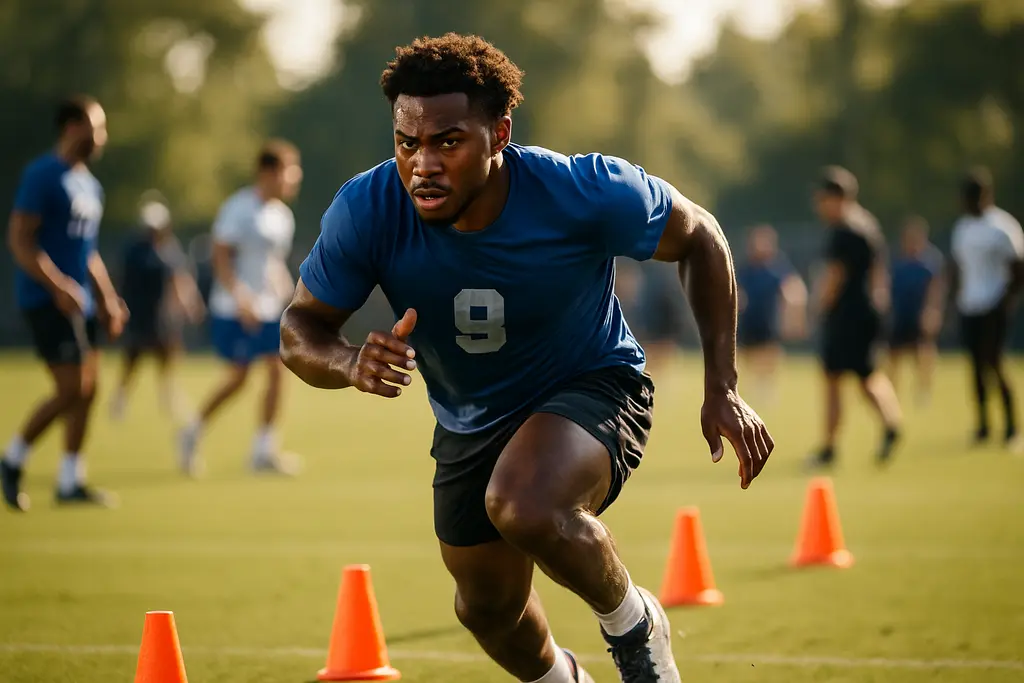
Jarrian Jones entered September 10, 2026, with a clearer place in Jacksonville’s defensive plans than he had as a rookie. The Jaguars’ 2026 training camp, which opened in late July, gave the third-year cornerback a platform to build on a productive 2025 season while coaches tested how much responsibility he could handle across the secondary.
The profile is not built on projection alone. Jones has already logged two NFL regular seasons, moved from reserve usage into a larger defensive role, and produced takeaways in 2025. The next layer of evaluation is whether his camp growth translated into a steadier, more flexible role for a Jacksonville defense that has leaned on young defensive backs drafted in recent years.
Jarrian Jones Training Camp Growth In Context
Jones is listed by the Jaguars as a 5-foot-11, 190-pound cornerback, and he entered the league in 2024 after Jacksonville selected him in the third round, No. 96 overall, out of Florida State. His official team bio confirms his size and roster status with Jacksonville on the Jaguars roster.
Jarrian Jones And The Mental Jump
The most meaningful camp note from late July and early August was not tied to a single interception or practice rep. Team camp reporting described Jones as investing more time in film study, with the goal of understanding how offenses were trying to attack him. For a cornerback moving from rotational snaps toward a larger role, that type of preparation often separates athletic traits from repeatable down-to-down value.
The point is narrow but useful: the reported growth was framed around processing, not just physical tools. Jones had already shown he could make plays on the ball in 2025. Camp offered evidence that Jacksonville wanted him to sharpen the pre-snap and post-snap recognition needed to handle different alignments and offensive stress points.
Multiple Alignments During Camp
Defensive coordinator Anthony Campanile used Jones in several spots during camp, including outside corner, nickel, dime, and safety looks. That does not mean each role would carry equal regular-season volume, but it showed the staff trusted him enough to expand his practice workload. For a young defensive back, cross-training can be a strong indicator of football IQ because each position changes the leverage, run fit, route distribution, and communication rules.
Jones’ camp usage also fit a broader Jacksonville evaluation period. The Jaguars’ preseason Week 2 game against the Carolina Panthers took place on August 21, 2026, and Jones did not play as Jacksonville used the game heavily for reserves and younger players while sitting many starters. That absence should be read cautiously: it was a deployment decision within a preseason plan, not a reported injury development.
The Production Behind Jarrian Jones Profile
The production base matters because camp praise can drift without regular-season evidence. Jones appeared in all 17 games in 2025, started three, and recorded 43 tackles, including 31 solo stops. He also had six tackles for loss, eight passes defensed, and three interceptions. Those three interceptions ranked third on the Jaguars in 2025, according to the camp research.
Across the 2024 and 2025 regular seasons, Pro Football Reference credits him with 34 games played, seven starts, 89 total tackles, 60 solo tackles, 24 assists, four interceptions, 16 passes defensed, two sacks, and one forced fumble. His draft slot, college listing, and career totals are available through Pro Football Reference.
| Category | Supported Figure |
|---|---|
| Draft | 2024, Round 3, Pick 96 |
| College | Florida State after Mississippi State |
| Career Games Through 2025 | 34 regular-season games |
| Career Starts Through 2025 | 7 starts |
| Career Interceptions Through 2025 | 4 interceptions |
What The 2025 Tape Suggested
Available grading cited in the research placed Jones among the stronger qualifying cornerbacks in 2025, with high marks in coverage and a solid run-defense grade relative to the position. The research also credited him with allowing 31 receptions in coverage and a 62.2 passer rating when targeted. Because those grading figures came from a third-party charting source, they should be treated as a useful evaluation layer rather than the full picture.
The counting stats tell a cleaner story. Eight passes defensed and three interceptions in a 17-game season show that Jones affected the ball. Six tackles for loss are notable for a cornerback, particularly when paired with the staff’s later willingness to move him closer to the formation in nickel, dime, and safety-adjacent roles during camp.
Why Role Flexibility Matters
Jacksonville’s use of Jones across the back end can help the defense disguise pressures and coverage rotations, but the value depends on execution. A corner who can play outside and inside gives the staff more freedom against spread sets. A defensive back who can take safety reps in certain packages can also help the defense handle motion, bunch formations, and late offensive adjustments.
That flexibility carries a cost if communication breaks down. The camp note about Jones’ film work is relevant for that reason. Moving positions requires more than knowing personal assignment rules. It requires seeing the route concept, adjusting spacing with teammates, and understanding where help should arrive. Jacksonville’s confidence in giving him those looks suggests the staff viewed his mental growth as part of his player-development arc.
Secondary Chemistry And Jacksonville’s Young Core
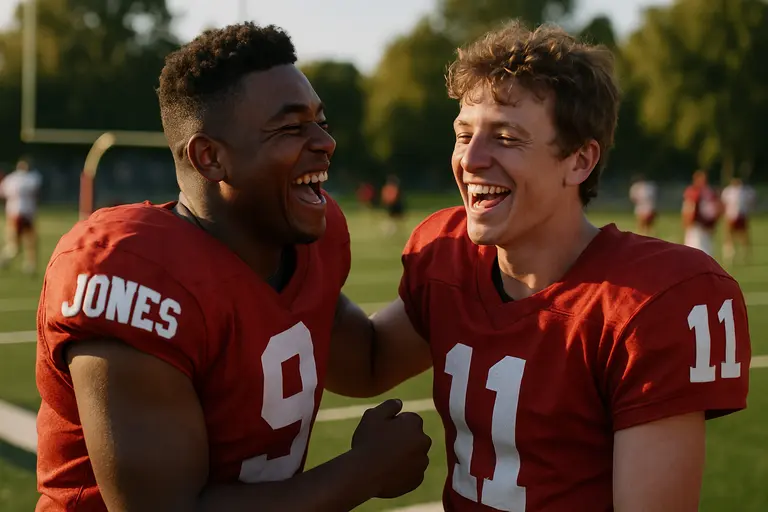
Jones’ development has not been framed as an individual story only. The camp research identified growing chemistry between Jones, cornerback Montaric Brown, and safety Antonio Johnson. All three were young players drafted within the previous three years, and the Jaguars viewed their cohesion as a positive sign for a secondary trying to build continuity.
For teams with young defensive backs, communication is often as valuable as speed or ball skills. Coverage busts rarely come from one player alone; they often come from mismatched expectations between corner, nickel, safety, and linebacker. Jones emphasizing cohesion with Brown and Johnson reflected a practical understanding of the position group’s work.
The broader roster setting also matters. Training camp is where coaches sort which players can handle expanded responsibilities before game plans become opponent-specific. For more roster-context reading from the same NFL preparation window, Noticias BO’s NFL training camp notes examined how reps, injuries confirmed by teams, and roster deadlines shaped 2026 preparation across the league.
Camp Praise Versus Regular-Season Proof
The cautious read is that camp growth is evidence, not a final verdict. Jones did not play in the August 21 preseason game against Carolina, so that contest did not add public preseason snaps to evaluate. His strongest case still rests on what he put on record in 2025 and how Jacksonville used him in practice settings during 2026 camp.
That distinction matters for player profiles. Camp reports can show trust, role expansion, and technical progress, but regular-season snaps test those gains against full offensive game plans. Jones’ 2025 interceptions and pass breakups supplied the baseline. His 2026 camp role suggested the Jaguars wanted to see if that baseline could support more varied responsibilities.
What Jarrian Jones Means For Jacksonville
The practical read on Jones is that he had moved past the stage of being only a developmental draft pick by September 10, 2026. His 2025 production, his career totals through two seasons, and his expanded camp usage all supported the idea that Jacksonville saw him as a young defensive back worth building with.
There are still fair questions. The research does not establish how many regular-season snaps he would take at each alignment in 2026, and it does not confirm a permanent move to any hybrid role. It does show that the Jaguars used camp to test his range and that coaches connected his role flexibility to mental growth and football understanding.
That is the scouting balance: Jones had already produced takeaways, tackled around the line of scrimmage, and earned more trust inside the secondary. The next measure was consistency across assignments when games counted. For readers interested in player development across different sports, NBA Playbook offers insightful analysis from a related domain, where role growth and lineup adaptation are critically evaluated.
For Jacksonville, the Jones profile was less about one camp headline and more about accumulation. A third-round pick from 2024 built a two-season statistical base, entered his third NFL season with a broader practice role, and formed part of a young secondary trying to grow together. That made him one of the more grounded Jaguars development stories from the 2026 training camp period.