
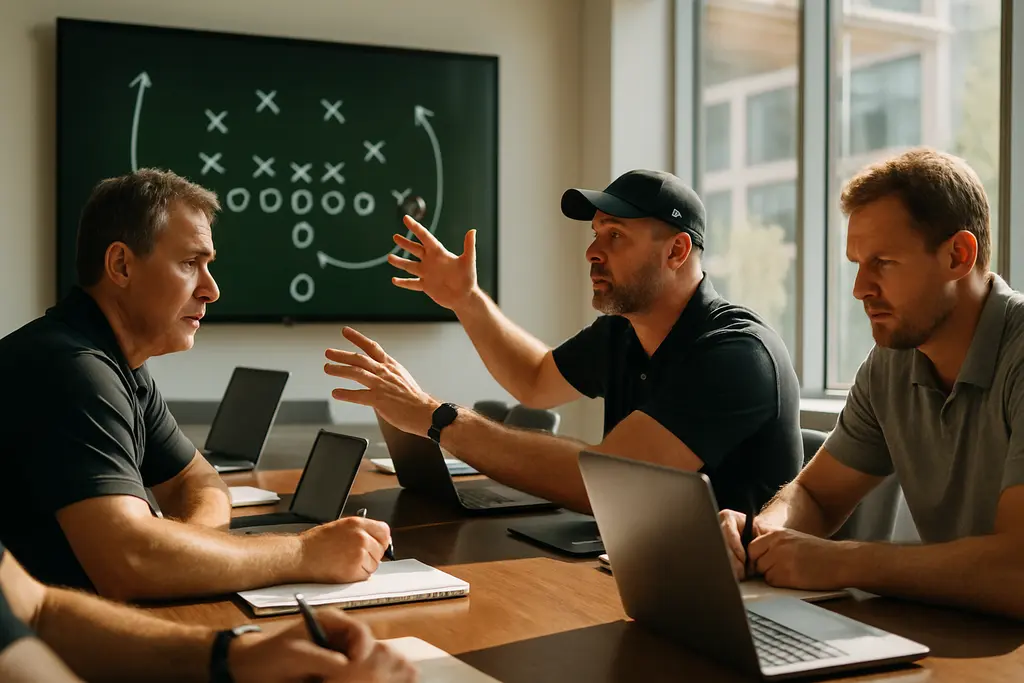
New NFL coaches have already changed the strategic conversation around the 2026 season, with the focus moving from simple hire announcements to scheme fit, player development, and roster construction. The shift is not uniform. Some teams hired offensive play designers, others turned to defensive coordinators, and several clubs now face the practical task of matching personnel to a new staff’s preferred structure.
The scale of the coaching movement matters. Ten NFL teams hired head coaches during the 2026 offseason, matching the most in one cycle in league history alongside 1978, 1997, 2006, and 2022, according to AS reporting. That volume makes the 2026 season less about isolated sideline changes and more about a league-wide test of how quickly organizations can align scheme, depth, and player usage.
How new NFL coaches Set Early Priorities
Why new NFL coaches Matter In September
The early part of a coaching transition is often measured through language: offensive identity, defensive philosophy, staff structure, and how much control a head coach keeps over play-calling. In 2026, several hires arrived with clear schematic records from coordinator posts. That gives analysts a stronger base for evaluating probable changes, though it still requires caution because head coaches must manage the full roster rather than one side of the ball.
Joe Brady’s promotion in Buffalo is the clearest offensive continuity case in the research. He moved from offensive coordinator to head coach in early 2026 and continues to call offensive plays. The Bills’ 2025 profile under Brady as offensive coordinator was already distinct: 28.3 points per game, 376.3 total yards per game, an NFL-best 2,714 rushing yards, and 30 rushing touchdowns. Buffalo also attempted 495 passes, placing the offense among the lower-volume passing teams in the league by attempts.
Those figures point to continuity rather than a full reset. The key question for Buffalo is not whether the offense has an identity, but whether that identity remains efficient once opponents spend a full season studying Brady’s run-heavy tendencies from the head coach’s chair. For skill players, that affects opportunity distribution. Running backs, mobile quarterback design, offensive line cohesion, and condensed passing efficiency carry more weight than raw passing volume.
Offensive Changes Are Tied To Personnel
Buffalo And Arizona Show Different Starting Points
For new NFL coaches on offense, the starting point differs sharply by roster. Brady inherited Josh Allen and a rushing offense that had already produced at a high level in 2025. Mike LaFleur, hired by the Arizona Cardinals on February 2, 2026, arrived after serving as the Los Angeles Rams’ offensive coordinator, where he did not call plays but helped shape a high-end offense.
LaFleur’s case is more about translation. The research notes connect his system background with high target concentration, deeper passing intent, multiple running back usage, and outside-run concepts. Those tendencies can shape how Arizona evaluates receivers and backs, but they do not guarantee the same statistical pattern. Personnel quality, quarterback decision-making, pass protection, and game state all decide whether a concept becomes an efficient weekly offense.
This is where player development becomes central. A coach with a defined offensive background can create clearer job descriptions for younger players. Receivers may be asked to win on specific route families rather than operate as broad-volume targets. Running backs may need to prove they can function in outside-zone tracks and passing-down packages. Offensive linemen may be evaluated not only on power but on movement ability and timing.
Defensive Hires Point Toward Coverage Shifts
Miami And Baltimore Move Away From Heavy Pressure Profiles
The defensive side of the 2026 coaching cycle is marked by coverage structure. In Miami, Jeff Hafley arrived as head coach after working as Green Bay’s defensive coordinator. The Dolphins also brought in Sean Duggan on defense and Bobby Slowik on offense. The research notes describe a shift away from Miami’s 2025 aggressive 3-4, blitz-heavy approach and high man coverage toward more zone defense and cloud coverage.
That change affects more than play calls. Cornerbacks accustomed to frequent man assignments may be asked to handle more pattern recognition, spacing, and route distribution. Safeties could take on more communication work. Linebackers may need stronger zone-drop discipline, particularly against offenses that stress the middle of the field with play-action and option routes.
Baltimore’s hire of Jesse Minter also signals a potential pressure recalibration. The research notes say the Ravens are expected to reduce blitz frequency and increase zone coverage, reflecting tendencies from Minter’s time with the Chargers. That is a meaningful shift for a roster described in analysis as high-level. It does not lower expectations; it changes how the defense may try to win. A lower blitz rate can place more emphasis on four-man rush quality, disguised coverage, and tackling after the catch.
For emerging defensive players, these changes can be either an opportunity or a barrier. A young defensive back with strong zone instincts may rise faster in a new system. A pass rusher who can win without extra pressure becomes more valuable. A linebacker who processes route combinations cleanly may see his importance increase, even without headline sack production.
Draft Needs Reflect Coaching Systems
Roster Planning Follows Scheme Demands
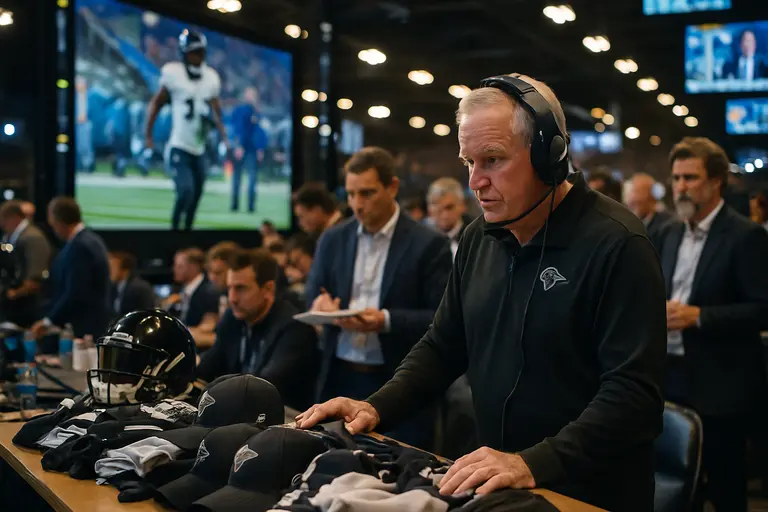
The effect of new NFL coaches is already visible in draft and roster priorities. NFL.com’s analysis tied several coaching hires to 2026 draft expectations, including Las Vegas under Klint Kubiak seeking quarterback improvement and two-receiver-set fits for more vertical passing, while Cleveland under Todd Monken was linked with WR-1 needs and offensive line and receiver support for a Baltimore-style offense built around play-action and air yards per attempt NFL.com analysis.
Those examples show why coaching changes can affect player movement long before a full season of results exists. A receiver valued in one system as a possession target may be less central in a vertical structure. A quarterback prospect’s fit may depend on play-action comfort, deep-ball aggression, or processing from condensed formations. Offensive line targets can change if a coach wants more movement in the run game or more protection for deeper route concepts.
Practice evaluation also becomes more pointed under a new staff. The same roster-management cycle connects with public and private evaluation settings, a theme covered in NoticiasBO’s look at open NFL training camps. For clubs with new staffs, camp and early-season reps help separate players who fit the new plan from those whose past production came in a different structure.
- Buffalo: continuity around Brady’s play-calling and a proven 2025 rushing profile.
- Arizona: offensive translation under LaFleur after his Rams coordinator role.
- Miami: a defensive move toward more zone and cloud coverage concepts.
- Baltimore: a projected reduction in blitz frequency under Minter.
- Las Vegas and Cleveland: draft priorities linked to quarterback, receiver, and offensive line fit.
New NFL Coaches And The 2026 Strategy Test
New NFL coaches are judged quickly, but the fairest early measure is whether their teams show alignment between scheme and personnel. A hire can bring a strong concept, yet the roster must have players who can execute it. Buffalo has the benefit of proven offensive production from 2025. Miami and Baltimore face defensive transition questions tied to coverage and pressure. Arizona, Las Vegas, and Cleveland must connect offensive ideas to player acquisition and development.
The 2026 cycle also shows why coaching hires are part of roster building, not separate from it. A head coach’s preferred spacing, pressure rate, run design, or passing structure can raise or lower the value of specific player types. For a related site in the same publishing network, Efficient Directory provides a comprehensive index of sports and media resources. However, within the context of this football analysis, the pivotal question remains: which teams can align coaching strategies with effective weekly execution?
As of September 8, 2026, the supported evidence points to strategy shifts rather than settled outcomes. The record-tying number of hires has created a larger sample of teams changing how they build game plans. The durable impact will come from player growth, coordinator alignment, and whether roster moves match the systems these staffs were hired to install.