

Open NFL Training Camps have moved beyond the image of a quiet preseason ritual. They now sit at the intersection of football preparation, fan access, media coverage, and local event planning. The available reporting shows a clear shift: camps remain evaluation periods for players and coaches, but they have also become managed public events with registration systems, premium seating options in some markets, concessions, souvenirs, and programming built around practice.
That shift does not mean every team runs camp the same way. The research points to differences in location, ticketing, and the balance between public sessions and football-only work. Still, the league-wide pattern is visible. Training camp is one of the few windows in the NFL calendar when fans can watch development work before the regular season, while teams try to protect competitive information and keep practice efficient.
Why Open NFL Training Camps Matter Now
Open NFL Training Camps As Public Practice
The biggest confirmed attendance marker in the research is from 2019, when NFL training camps drew more than 1 million fans across the league. That figure matters because it shows camp access had become measurable at scale, not just a small local perk. For teams, a crowd at camp can strengthen the connection between the club and its market before wins and losses begin to define the season.
The access model has also become more controlled. The research notes that, as of 2019, all 32 teams required tickets or registration for camp events, compared with nine teams five years earlier. That does not necessarily mean fans were always paying for admission. In some cases, registration can help teams manage capacity, parking, security, and practice-site flow. The Minnesota Vikings example in the research is useful because it points to a mixed model: free admission for most attendees, with a nominal charge for premium seating.
Location Choices And Team Control
Location is another sign of how camps have changed. In 2010, 17 of 32 NFL teams held training camp at their home facilities, up from five teams in 2001, according to an NFL.com training camp report. That move toward home facilities can give clubs more control over operations, medical and strength resources, meeting rooms, and access logistics. It can also reduce the need to move a large football operation to a remote site.
There is a tradeoff. Traditional off-site camps often created a strong summer identity in smaller host communities. Home-site camps can be more efficient for teams, but they may change the feel of the event for fans who associated camp with a regional trip. Some clubs still use destination-style settings, while others keep work closer to their headquarters. The data in the research supports a trend toward home bases, not a league rule that every team follows.
How Camp Access Affects Football Work
Roster Evaluation In Front Of Fans
For front offices, Open NFL Training Camps are still about evaluation. Coaches need live reps, position drills, special teams periods, and full-team work to compare rookies, returning players, and roster hopefuls. Public access changes the setting but not the central task. A receiver trying to earn a deeper role, a backup lineman showing versatility, or a young defensive back learning coverage rules can all be judged during camp work, even when the session is open to fans.
The caution is that public practice can distort outside perception. A single catch, interception, or missed assignment may draw attention from the stands or social media, but teams evaluate across meetings, film review, practice habits, and repeated snaps. That is why camp reporting is most useful when it separates confirmed roster decisions from daily practice impressions. A player’s development arc can be visible in camp, but it should not be reduced to one highlight.
Joint Practices And Controlled Competition
Joint practices have become a more prominent part of camp planning. Sports Illustrated described joint practices as a growing trend around the league, with teams using them as a more structured alternative to preseason games in certain ways in its 2025 training camp analysis. The appeal is clear from a football standpoint: coaches can script situations, stop periods for teaching, and get competitive reps against unfamiliar players.
That structure can be useful for player development. A young cornerback who has spent weeks facing the same receivers may get a better test against a different route tree. A quarterback can work against another defensive system without every snap carrying the same public weight as a preseason game. The research supports the idea that joint work is becoming more common, but it does not support blanket claims that every team benefits equally. Coaching style, roster depth, and practice discipline all shape the value of those sessions.
- For coaches: camp offers repeated evaluation periods before final roster decisions.
- For players: public sessions create visibility, but film and consistency remain the core measures.
- For fans: open practices provide rare access to development work before the regular season.
- For operations staffs: ticketing and registration help manage crowd size and site demands.
Business Signals Around Camp Access
Fan Planning And Local Spending
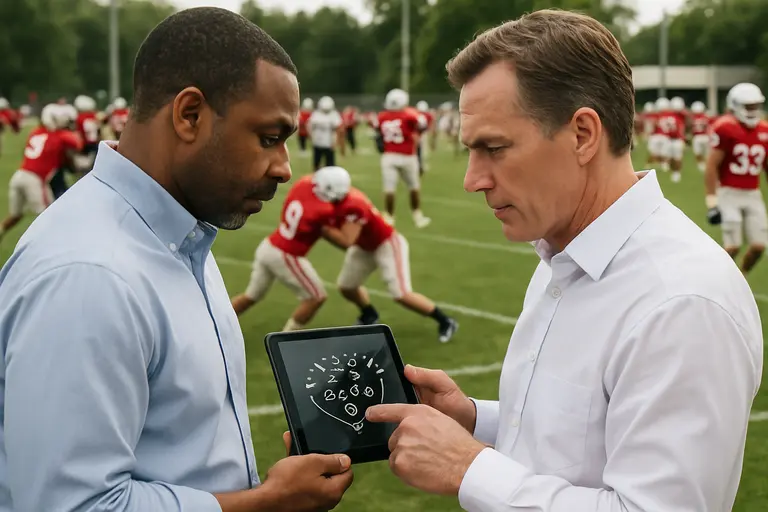
The fan-facing side of camp is no longer limited to bleachers and a practice field. The research notes that teams often sell souvenirs and concessions at camp sites and add activities around practice. Without official team-by-team revenue figures in the supplied material, it would be unsafe to assign a specific financial impact. What can be said is narrower but still meaningful: camp gives clubs another live touchpoint with supporters, sponsors, and local visitors before the regular season begins.
That has practical value for fan planning. Ticket or registration systems can tell supporters whether they need to reserve a spot before traveling. Premium seating, where offered, can create a different experience from general admission. Families may also plan around parking, heat, practice length, and autograph policies, which vary by team. For readers interested in local events and sports travel, Ambikapur City offers additional insights into regional destinations within our network.
Media Access And National Attention
The shift also explains why Open NFL Training Camps have become valuable media windows. The research notes that HBO’s Hard Knocks has documented NFL training camps since 2001, giving viewers an inside look at preseason preparation. That kind of coverage can introduce emerging players to a national audience before they have regular-season production. It can also highlight the pressure on coaches and front offices as rosters narrow.
There are boundaries. Media access does not mean full transparency. Teams still control practice schedules, public viewing areas, and the information they release. The research also notes that NFL policies can restrict how teams promote training camps in certain regions because of franchise territorial rights. That is a reminder that camp access is tied not only to football culture, but also to league rules and market protection.
| Area | Supported Camp Impact | Reason For Caution |
|---|---|---|
| Fan Attendance | More than 1 million fans attended NFL camps in 2019. | Team-by-team totals are not provided in the research. |
| Ticketing | All 32 teams required tickets or registration by 2019. | Registration does not always mean paid admission. |
| Locations | Home-facility camps rose from five teams in 2001 to 17 in 2010. | Some clubs still use other camp models. |
| Joint Practices | They are described as a growing league trend. | The value depends on each staff’s practice plan. |
What Open NFL Training Camps Tell The League
A Measured Read On The Camp Model
The strongest reading of Open NFL Training Camps is that they have become a managed extension of the NFL calendar. They are not regular-season games, and they should not be judged like them. Their importance comes from the blend of access and evaluation: fans see players early, coaches gather information, and teams test how much public energy they can build before the season starts.
For emerging players, that setting can matter. Camp is where a late-round rookie, a practice-squad candidate, or a player returning to a larger role can make work visible. The evidence available here does not identify specific breakout players, so the analysis should stay at the process level. Open practices create a stage, but roster decisions still depend on repeated football evidence.
The league’s direction appears clear from the confirmed points in the research: larger measured attendance, universal ticketing or registration by 2019, more teams using home facilities than in the early 2000s, and increased interest in joint practices. The careful view is that camp has become both a football workplace and a public event. The challenge for teams is keeping those two purposes aligned without letting the show overtake the work.