
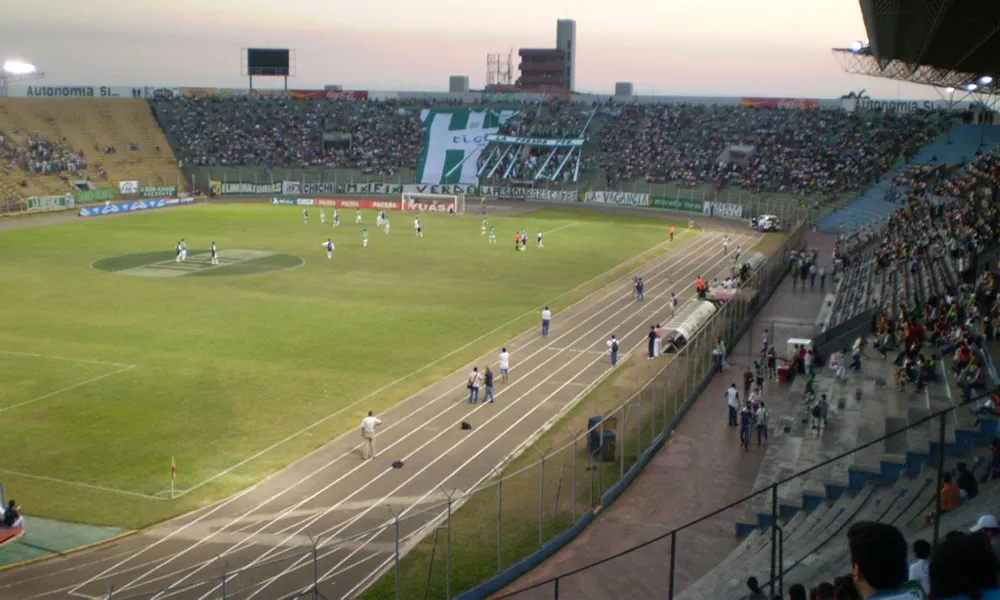
Imagine the most iconic pipeline for a high-altitude national team, a nation whose footballing identity is intrinsically linked to the thin air of the Andes. Logically, you would expect their foundational talent factory to be nestled in the clouds, acclimatizing youths to the severe metabolic demands of 12,000 feet. The reality of Bolivian football, however, is beautifully contradictory. The most legendary academy in the country’s history was built in the suffocating, sea-level tropical heat of Santa Cruz de la Sierra, Tahuichi Academy.
To analyze the legacy of the Academia de Fútbol Tahuichi Aguilera, Tahuichi Academy, is to study a profound geographic and socio-economic paradox. Founded in 1978 by Rolando Aguilera, it was not engineered as a high-performance laboratory filled with modern GPS trackers or pulse oximeters. It was a desperate, grassroots response to urban poverty, proving that raw, community-forged grit can overwhelm European-style tactical schooling.
Socio-Economic Origins In Santa Cruz
The inception of Tahuichi was rooted in survival rather than sporting dominance. In the late 1970s, Santa Cruz was undergoing rapid, chaotic urbanization, leaving countless children exposed to the vulnerabilities of the streets. Aguilera utilized the sport not initially to win international tournaments, but as an urgent community shield. The early recruitment strategy did not involve advanced analytics; it relied on the intuition of local networks identifying raw talent on dirt pitches.
This environment created a unique psychological resilience among the recruits. Because the academy provided scholarships, educational support, and basic nutrition, the players developed a fierce, collective loyalty that transcended standard club football. When global institutions analyze the effectiveness of football for social mobility, Tahuichi stands as the ultimate historical case study. The curriculum demanded absolute discipline, forging athletes who viewed professional success not as a luxury, but as an economic necessity for their families.
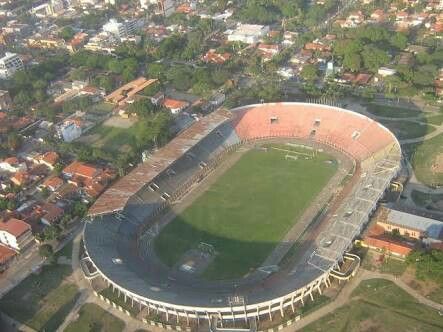
The Physiological Paradox Of Lowland Development
While European clubs were beginning to obsess over genetic profiles and pristine academy facilities, Tahuichi was unintentionally building elite physical engines through extreme environmental stress. Training in the intense humidity and heat of the Bolivian lowlands forced the cardiovascular systems of these young players to adapt to rapid exhaustion. When it comes to defining a true breakout in the Bolivian context, this physiological crucible is the ultimate prerequisite.
The paradox manifested when these tropical-forged teenagers were called up to the national team in La Paz. One might assume they would suffer severe metabolic shock transitioning to the extreme altitude of Estadio Hernando Siles. Instead, the cardiovascular efficiency they developed in the suffocating heat of Santa Cruz translated remarkably well to the oxygen-deprived Altiplano. They possessed a rare hybrid stamina, capable of executing high-intensity pressing in environments that crippled foreign opponents.
Exporting Grit To The Global Stage
The true validation of the Tahuichi method arrived in the late 1980s and early 1990s. The academy began dispatching youth squads to prestigious international tournaments in Europe and South America, frequently dismantling heavily funded academies from traditional footballing giants. This golden generation did not just win youth cups; they became the tactical backbone of the senior national team that secured qualification for the 1994 World Cup.
Players like Marco Etcheverry, Erwin Sánchez, and Juan Manuel Peña did not just participate in the global market; they shattered the psychological barriers that had previously confined Bolivian talent. When reviewing historical player valuations from that era, the Tahuichi graduates forced lowland scouts to acknowledge that world-class technique could indeed emerge from the Amazonian fringes. The table below illustrates the trajectory of the academy’s most prominent exports.
| Player Profile | Academy Entry Age | Geographic Origin | International/European Peak |
| Marco Etcheverry | 13 | Santa Cruz (Tropical) | 1994 World Cup, D.C. United Legend |
| Erwin Sánchez | 14 | Santa Cruz (Tropical) | Boavista (Portugal), 1994 World Cup |
| Juan Manuel Peña | 15 | Santa Cruz (Tropical) | Villarreal (Spain), 85 National Caps |
| Luis Cristaldo | 15 | Formosa / Santa Cruz | 1994 World Cup, 93 National Caps |
Modern Lessons From A Historical Pipeline
Today, as the Bolivian Football Federation grapples with severe structural decay and financial instability, the original blueprint of Tahuichi Aguilera feels more urgent than ever. Modern Liga Profesional clubs are heavily reliant on importing veteran talent rather than investing in local grassroots networks.
By neglecting the community-driven scouting models that once scoured the peripheries of cities like Santa Cruz, the domestic ecosystem is starving itself of its most vital resource. To reverse the current league-wide developments of international underperformance, administrators must remember that Bolivia’s greatest generation was not built in a boardroom or a state-of-the-art clinic. It was forged in the tropical dirt, fueled by socio-economic hunger, and polished by an academy that understood the human element of the beautiful game.