

Sometimes, a moment feels like it’s straight out of a sports movie. Last week, Bolivian goalkeeper Guillermo Viscarra gave us that moment. He saved a South Korean striker’s head after a hard collision. The internet went wild. Real sportsmanship.
This wasn’t just a nice story. It was a global PR win for Bolivian football. For a brief moment, the story changed. Gone were the old clichés. In came intelligence and compassion.
Looking at the bigger picture, it’s even more exciting. Under Óscar Villegas, the national team is playing better and smarter. They won in Chile after 31 years. They’re even aiming for a 2026 World Cup playoff. For once, national optimism isn’t just a dream.
Why does this matter for local football? Success at the top level lifts everyone up. It changes how people see football in real-time. This shift brings more attention, money, and respect. You can see it in youth academies and in the latest standings and analysis.
We’re seeing a story of hope being rebuilt. To follow the emerging player stories, check out NoticiasBO.com. They offer deep profiles and more. The story is getting more interesting.
Club financial health
Ricardo Centurión’s story is a lesson in how money can mess up football. He moved to Bolivia’s Oriente Petrolero, scoring 9 goals and making 4 assists in 31 games. But, he also got 11 cards and was involved in off-field drama, like insulting a referee and vaping on the bus.
Now, he wants to return to Argentina. But, the club’s finance team has other plans.
Banfield, a historic club, showed interest. But, Banfield is in trouble, facing six FIFA sanctions and $1.3 million in debt. This means they can’t sign new players.
So, Banfield is stuck. They’re trying to sell another player to Russia to get some cash. This is how some clubs survive financially.

Talleres de Córdoba, managed by Carlos Tévez, is a better option for Centurión. They have a solid financial base. They can afford to take risks on players like Centurión.
The difference between Banfield and Talleres shows the impact of money in football.
| Club | Financial Status | Strategy for Centurión |
|---|---|---|
| Banfield | Critical. FIFA sanctions block registrations. ~$1.3M in transfer debt. | Dependent on selling Rodrigo Auzmendi first. A move of necessity and financial unlocking. |
| Talleres de Córdoba | Stable. Operationally sound without registration blocks. | Based on sporting merit and risk assessment. A move of optionality and team-building. |
One club sees the transfer market as a crisis room. The other views it as a strategic place. This shows a big truth. For many clubs, money isn’t just about profit or revenue.
It’s about dealing with debt and making transfers to keep the team going. The Bolivian league is a key place for players to move and for clubs to find new talent.
When you hear about a surprising transfer, think about the club’s finances. The most important news often comes from the accounting office, not the field.
Coaching changes
Peru is looking for a foreign coach, while Bolivia has found one in Óscar Villegas. The difference in their coaching styles shows a lot about South American football.
Villegas became Bolivia’s coach in July 2024. He’s not just a former player. He’s a key part of a long-term project with a solid plan.
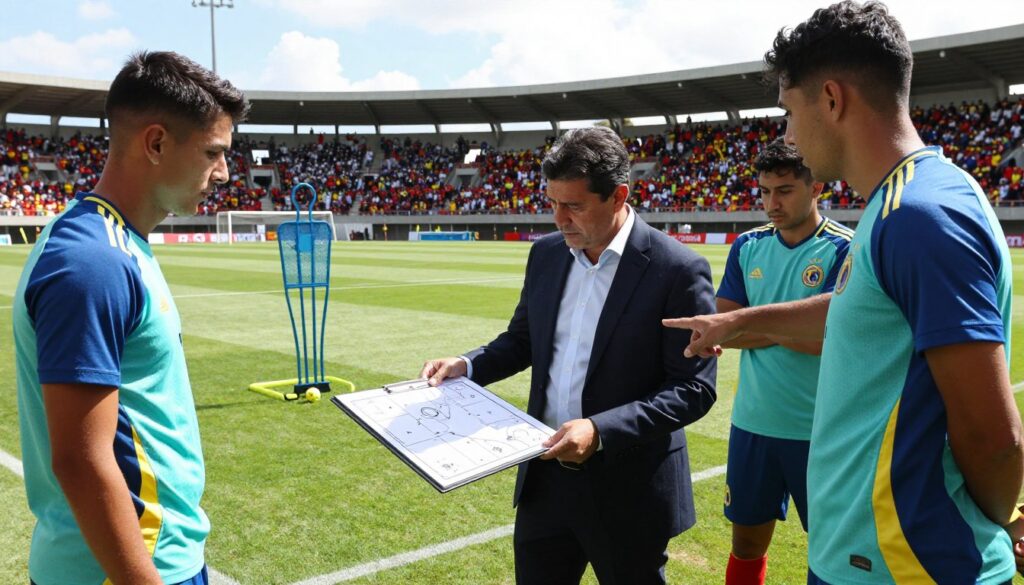
- Youth development is a must
- The 4-3-3 system is his go-to tactic
- He’s building a team with a strong belief system
- His teams play with real intensity for 90 minutes
Villegas has ended Bolivia’s 31-year losing streak against Chile. This is more than just three points. It’s a big win for the team’s confidence.
Peru, on the other hand, is in limbo. Manuel Barreto is the interim coach, waiting for a foreign coach to arrive. Renato Paiva is the top choice, but he won’t start until 2026.
Barreto is trying out young players in the meantime. It’s a temporary fix, not a long-term plan. This approach is not about building a strong team.
The way Bolivia and Peru are managing their teams shows a lot about football today:
| Aspect | Bolivia (Villegas) | Peru (Current State) |
|---|---|---|
| Philosophy | Rooted cultural shift | Transitional search |
| Timeline | Immediate implementation | Future project (2026) |
| Player Focus | Youth integration now | Youth experimentation |
| Psychological Impact | Collective belief installed | Uncertainty prevails |
Villegas knows that coaching is not just about the players. It’s about changing a nation’s mindset. Every decision he makes can either reinforce old habits or start a new path.
His use of the 4-3-3 system is not new. But his commitment to it is. This consistency and discipline can truly change a team.
Peru, on the other hand, is looking for a quick fix. They’re searching for a foreign coach to solve their problems. But this approach can harm the team’s young players.
For fans of Bolivia league news, the choice of coach says a lot about a team’s goals. Bolivia chose to build a strong foundation. Peru is looking for a quick solution.
Villegas’s success shows that with the right coach, a team can achieve great things. It’s not just about winning. It’s about building a lasting legacy.
As Bolivia league news continues, Villegas’s success will inspire other teams. Results speak louder than words. And the lack of results shows the emptiness of some promises.
Competitive balance
The Peru-Bolivia friendly was more than a game. It showed two footballing philosophies in conflict. Bolivia’s structured approach under Villegas faced off against Peru’s experimental style. It’s a battle between planning and instinct.
For Bolivia, every match is a step towards their World Cup goal. They see each game as a brick in their wall. Their aim is to reach the World Cup playoff, their biggest challenge.
This match reflects the bigger picture. In Bolivia, the Liga de Fútbol Profesional Boliviano also faces this balance. The Apertura and Clausura system creates two title races a year. This format keeps hope alive but also shows the league’s fragility.
Is a league truly balanced when a few teams dominate? Clubs like Bolívar and The Strongest often lead the story. Yet, teams like Oriente Petrolero or Always Ready can upset the balance. The standings tell a story, but the real drama is in the philosophy.
True competitive balance is more than just who wins on Saturday. It’s about a club’s long-term project. Club updates, like new coaches or signings, can change the game. When a team like Blooming or Jorge Wilstermann makes a move, it’s not just a change. It’s a chance to shift their influence in the league.
We watch and analyze. Does Villegas’s national team strategy make domestic sides more rigid? Or does the league’s unpredictability keep the game exciting? The answer lies in the details.