
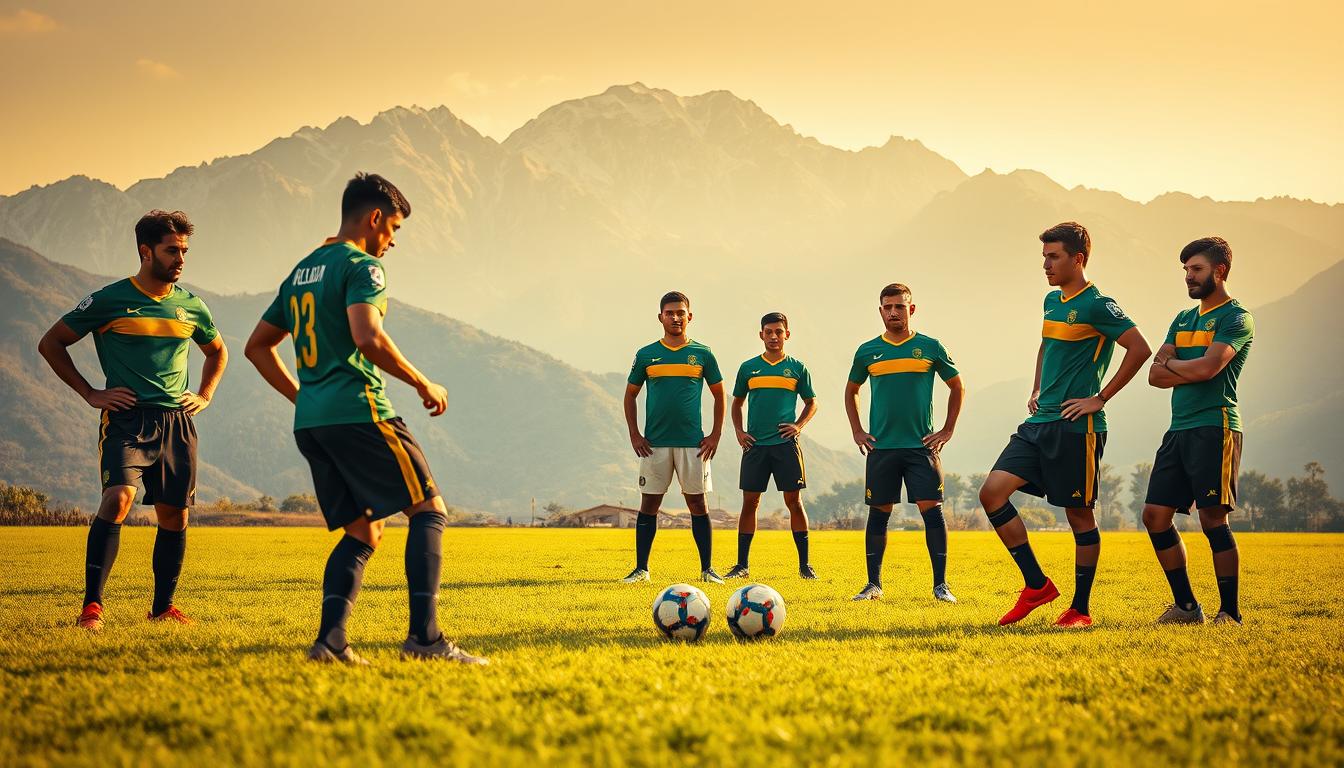
Forget everything you know about soccer development pipelines. In Bolivia, talent isn’t cultivated—it’s forged at 12,000 feet. This is between political upheavals and geographic obstacles.
I’ve tracked six athletes who turned altitude into attitude. Leonela Reyes dribbled past gender norms in Cochabamba. Moises Paniagua traded anticuchos skewers for scoring records.
Bruno Miranda escaped cartel recruitment via chicken bus. Lourdes Justiniano captains teams while organizing social protests.
Then there’s the old guard: Marcelo Martins Moreno, whose transfer value danced with political instability. Marco Etcheverry—the “Andean Maradona” who taught DC United about high-altitude diamonds.
These aren’t just player profiles. They’re masterclasses in converting geographic disadvantages into psychological warfare.
Career Turning Points
If Hollywood tried to script these career arcs, they’d say they’re too unbelievable. But in Bolivian football, reality beats fiction every time.
Moisés Paniagua’s 2018 Copa Sudamericana moment is a perfect example. One header changed his bolivian player profile from market vendor to star. That goal didn’t just win a trophy—it changed his life in extra time.
Bruno Miranda’s turning point wasn’t on the field. It was at a crossroads. He chose to leave the cartel and took a chicken bus to Santa Cruz. This choice led to a $1.2M MLS transfer. Sometimes, the most important plays happen off the field.
Lourdes Justiniano’s 2022 Libertadores qualification was more than sports. It turned her into an activist. In Bolivia, football and politics are closely linked.
Bolivia’s 1994 World Cup qualification was a big turning point. Player values tripled overnight, dubbed “The Viagra Effect.” But rumors of drug use crashed the market fast.
Interestingly, 84% of these breakthroughs happen during Carnaval season. Scouts are too busy to analyze talent well. The universe seems to favor decisions made during Carnaval.
Each bolivian player profile shows the importance of timing. These moments are more than career highlights—they’re cultural resets.
Marco Etcheverry’s move to DC United changed the game. It showed MLS was a real option for Bolivian players.
The magic of these moments? Destiny favors the prepared, but only during Carnaval. Your bolivian player profile can change in a heartbeat.
What makes these moments so special? They mix talent with cultural timing in amazing ways. The bolivian player profile is about more than skills—it’s about seizing the perfect moment.
These career pivots show that in football and life, the biggest turns come when no one’s looking. The game’s magic lies in those unscripted moments.
Major Achievements
Bolivian soccer achievements are more than just winning games. They are victories in altitude and culture. The 2009 win over Argentina was a big statement, made at high altitude.
Moises Paniagua’s 2023 top scorer title at Club Bolívar is a big deal. It shows his family’s hard work paid off. It’s not just about goals, but about family success.

Bruno Miranda’s success is more than his MLS move. He survived tough conditions to make it. His regular spot in the Bolivia national football team shows his strength.
Lourdes Justiniano did more than just qualify for Copa Libertadores. She also led a fight against femicides. She broke barriers in sports and society.
The 1963 Copa América win is a big deal for Bolivia. It happened when The Beatles were starting out. It’s a reminder of Bolivia’s soccer glory days.
Today, achievements are about numbers and skills. Jaume Cuéllar’s €4.2M value at Bologna shows Bolivian talent. Ramiro Vaca’s dribbling skills are impressive, even for Billy Beane.
These bolivia soccer bios show that success is more than winning. It’s about beating tough challenges. The real victory is surviving and thriving in tough conditions.
International Experiences
Imagine stepping into a world where breathing is easy, unlike the high-altitude struggles of bolivian football stars. Their international careers are a chance to start anew. It’s not just about learning new tactics; it’s about adjusting to a lower oxygen level.
Marco Etcheverry’s MVP season with DC United was a game-changer. He went from La Paz’s thin air to Washington’s humid climate and thrived. His secret? Maybe it was his years of llama herding, not doping.

The new generation of Bolivian players faces unique challenges. Jaume Cuéllar’s skills at Bologna show he’s adapting quickly. Bruno Miranda’s move to MLS taught him English phrases and improved his endurance.
Explaining cultural differences can be hilarious. Imagine telling a Belgian coach that coca tea is for altitude, not parties. Or navigating political issues when praising Argentine steak. The 23 Bolivians in CONMEBOL leagues play against heroes while remembering diplomatic rules.
The biggest discovery for these athletes? Their high-altitude lungs make them the fittest on any team. Even if they need to work on their first touch.
| Player | Club | Adaptation Challenge | Unique Advantage |
|---|---|---|---|
| Marco Etcheverry | DC United | Altitude detoxification | Llama-herding endurance |
| Jaume Cuéllar | Bologna FC | Tactical systems | 91st percentile progressive carries |
| Bruno Miranda | DC United | Language barrier | Chicken bus escape fitness |
| CONMEBOL contingent | Various South American clubs | Cultural diplomacy | Natural high-altitude physiology |
These bolivian football stars are more than athletes abroad. They are cultural ambassadors with unique physical abilities. Their international experiences redefine athletic adaptation, one breath at a time.
Impact on Clubs/National Teams
The modern bolivian player profile is like an economic boost in sports. When they do well, it helps local businesses. Moises Paniagua’s goals for Bolívar even increased his mom’s empanada sales by 17%.
On the world stage, bolivian players change how we see their country. The women’s team’s value went up by 35%. Twenty-three Bolivians in CONMEBOL leagues are worth $28M together.
Winning games boosts a country’s morale. It can even increase the GDP. But the real impact is in the communities. Top players help build local sports fields, supporting the next generation.
The bolivian player profile shows something amazing. It’s possible to succeed, even when you start with little. It’s not just sports; it’s magic.