

NFL roster moves in September and October 2026 showed how teams used concluded trades and signings to address specific football needs rather than make broad roster swings. As of October 31, 2026, the clearest pattern was investment in line play, quarterback support, secondary depth and veteran options. The official NFL transaction log recorded the relevant moves, including several late-October trades involving established linemen.
The timing mattered because these decisions came after teams had enough regular-season evidence to identify weaknesses. A trade for a defensive tackle, a center or a guard carries a different strategic meaning than a preseason depth signing. It can alter protection calls, run fits, defensive-front rotations and matchup planning within days. The evidence from this set of moves points to teams paying premium draft capital for players who could change core areas of play immediately.
NFL Roster Moves Built Around The Lines
The most expensive deals in this group centered on the offensive and defensive fronts. Chicago, San Francisco, Seattle and Baltimore all added linemen through trades between October 7 and October 29, 2026. That concentration is not accidental in football terms. Interior pressure affects passing rhythm, while interior protection shapes what an offense can call on early downs, third downs and in the red zone.
NFL Roster Moves In The Interior Trenches
On October 29, 2026, the Chicago Bears acquired defensive tackle Jeffery Simmons from the Tennessee Titans, with Chicago also receiving a 2028 fifth-round pick. Tennessee received first-round picks in 2027 and 2028, plus a 2027 fourth-round pick. The price reflected the value of an interior defender who can influence blocking plans. For Chicago, the move reinforced the middle of the defensive line. For Tennessee, the return created future draft flexibility through two first-round selections and another mid-round asset.
One day earlier, on October 28, 2026, the San Francisco 49ers traded for DeForest Buckner from the Indianapolis Colts, sending a 2027 fourth-round pick in return. The fit was direct: San Francisco added a veteran defensive lineman to a front that already carried strength. In strategic terms, that type of move gives a defense another experienced option in rotation, helps manage workload across the front and can support pressure packages without requiring heavy schematic change.
Protection Investments In Seattle And Baltimore
Seattle made its own line-focused move on October 27, 2026, acquiring guard Quenton Nelson from Indianapolis for a 2027 third-round pick and a 2028 fifth-round pick. Nelson was identified in the research as a multiple-time Pro Bowler, and the Seahawks used draft capital to address the offensive interior. A guard addition can affect more than pass protection. It can change how often a team trusts inside-zone concepts, gap schemes and deeper-developing passing concepts.
Baltimore addressed the middle of its offensive line on October 7, 2026, acquiring center Cam Jurgens and a 2027 seventh-round pick from the Philadelphia Eagles. The Ravens sent back a 2027 fifth-round pick and a 2028 second-round pick. Center play has direct value because it ties together protection communication, quarterback comfort and interior run blocking. Those NFL roster moves gave Baltimore another established option in a role that touches nearly every offensive snap.
| Date | Team Adding Player | Player | Transaction Cost Reported |
|---|---|---|---|
| October 29, 2026 | Chicago Bears | Jeffery Simmons | 2027 and 2028 first-round picks, plus 2027 fourth-round pick to Tennessee; Chicago also received a 2028 fifth-round pick |
| October 28, 2026 | San Francisco 49ers | DeForest Buckner | 2027 fourth-round pick to Indianapolis |
| October 27, 2026 | Seattle Seahawks | Quenton Nelson | 2027 third-round pick and 2028 fifth-round pick to Indianapolis |
| October 7, 2026 | Baltimore Ravens | Cam Jurgens | 2027 fifth-round pick and 2028 second-round pick to Philadelphia; Baltimore also received a 2027 seventh-round pick |
Skill-Position And Coverage Adjustments
The movement was not limited to the trenches. Houston and Dallas made targeted additions at wide receiver and cornerback, positions often tied to matchup planning. These moves did not carry the same line-of-scrimmage theme, but they still reflected clear roster-building logic: add a receiving option who can threaten defenses downfield, and add a cornerback who can help handle coverage demands.
Houston Added A Downfield Receiver
On October 12, 2026, the Houston Texans acquired wide receiver Marvin Harrison Jr. and a 2027 sixth-round pick from the Arizona Cardinals. Arizona received 2027 second- and seventh-round picks. The research described Harrison Jr. as a top-tier receiving talent and a downfield threat. That matters for a passing offense because a receiver with field-stretching ability can affect safety alignment, spacing for underneath routes and the way defenses allocate help coverage.
The price was lower than the Simmons package but still meaningful. A second-round pick carries real roster-building value, so Houston’s decision suggested a willingness to convert future draft capital into a present receiving upgrade. The NFL roster moves at receiver in this period were fewer than those on the line, yet this one stood out because it addressed offensive explosiveness rather than depth alone.
Dallas Addressed Cornerback Depth
On October 1, 2026, the Dallas Cowboys added cornerback Joey Porter Jr. from the Pittsburgh Steelers. Dallas sent Pittsburgh a 2027 sixth-round pick and a 2028 second-round pick. The research framed the move as a boost to the Cowboys’ secondary, especially cornerback depth amid injuries and matchup demands. That wording matters because it points to both availability and opponent-specific planning, not just a one-for-one talent addition.
Cornerback depth can affect how often a defense plays man coverage, how it handles three-receiver sets and whether it can keep preferred personnel on the field against spread formations. The Cowboys’ trade cost included a future second-round pick, which indicated that the club valued the positional need enough to spend a notable asset. Without verified snap data in the research, the analysis should stay at that level: the transaction strengthened the available cornerback group and gave Dallas more coverage options.
Quarterback And Veteran Depth Decisions
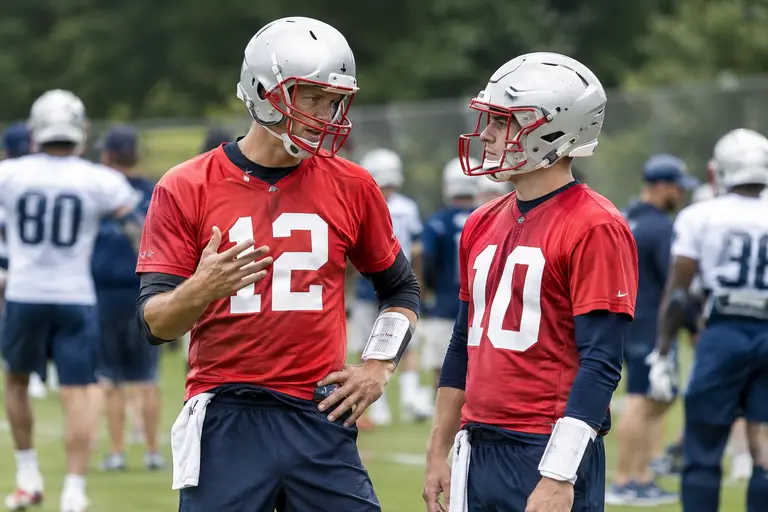
Several other moves were less costly in draft terms but still carried strategic value. The Giants made a quarterback trade after a confirmed injury situation. Minnesota, Philadelphia and Baltimore used practice-squad or free-agent mechanisms to add veteran or rotational help. These decisions show another side of in-season roster management: not every move is designed to reshape a starting unit, but even smaller additions can protect against thin spots.
New York Turned To J.J. McCarthy
On September 28, 2026, the New York Giants traded for quarterback J.J. McCarthy from the Minnesota Vikings, sending a 2027 fifth-round pick. The move came after Jaxson Dart’s knee surgery, according to the research. That is the confirmed injury information available here, so the football takeaway is limited but clear: New York added another quarterback option after a disruption at the position.
Quarterback movement during the season is often difficult because terminology, timing and protection rules take time to absorb. Still, acquiring McCarthy for a fifth-round pick gave the Giants a roster answer without spending a premium asset. For a team dealing with a quarterback vacancy or reduced availability, that type of trade can stabilize practice reps and game-week planning.
Practice Squad And Free-Agent Additions
On October 7, 2026, the Minnesota Vikings added wide receiver Odell Beckham Jr. to their practice squad. The move did not place him on the active roster by itself, so its impact should be described cautiously. It gave Minnesota a veteran receiver option within the organization and a possible elevation path if the team chose to use it later. That is different from declaring an immediate role, which the research did not confirm.
Philadelphia signed running back Dameon Pierce on October 7, 2026. The research connected the signing to ground-game consistency and injuries, and the football logic is straightforward: a backfield addition can support rotation, early-down work and short-yardage planning. Baltimore also signed tight end Nick Vannett on October 7, 2026, adding depth for blocking and receiving uses in tight end personnel groups.
For readers tracking how summer evaluations later feed into October decisions, our related analysis of NFL preseason development covered how roster tests can shape the choices teams make once games reveal stronger evidence. Meanwhile, sports coverage across the same network branches into different areas, such as highlighting participant experiences on other courses seen at sites like Copeland Hills Golf.
How These NFL Roster Moves Shifted Team Strategy
The clearest strategic thread across these transactions was positional urgency. Chicago and San Francisco added interior defensive help. Seattle and Baltimore invested in offensive line stability. Houston paid for a receiver who could stretch the field. Dallas added a cornerback to address coverage depth. New York acquired quarterback cover after a confirmed injury-related disruption. Minnesota, Philadelphia and Baltimore supplemented their groups through lower-cost mechanisms.
The draft capital also separated the moves by likely importance. Simmons required two first-round picks and a fourth-rounder, with Chicago receiving a later pick back. Nelson, Jurgens and Porter each involved future picks of notable value. Buckner’s cost was a fourth-rounder, while McCarthy’s was a fifth-rounder. The practice-squad and free-agent additions did not carry the same trade compensation in the research, which makes them different tools for roster management.
What should be avoided is overstating certainty. A transaction can improve a depth chart on paper, but its effect depends on usage, health, scheme fit and how quickly the player is integrated. The supported evidence shows that these NFL roster moves changed the options available to coaching staffs by October 31, 2026. The strongest analytical claim is not that every move guaranteed improvement, but that each one addressed a defined strategic pressure point during the season.