
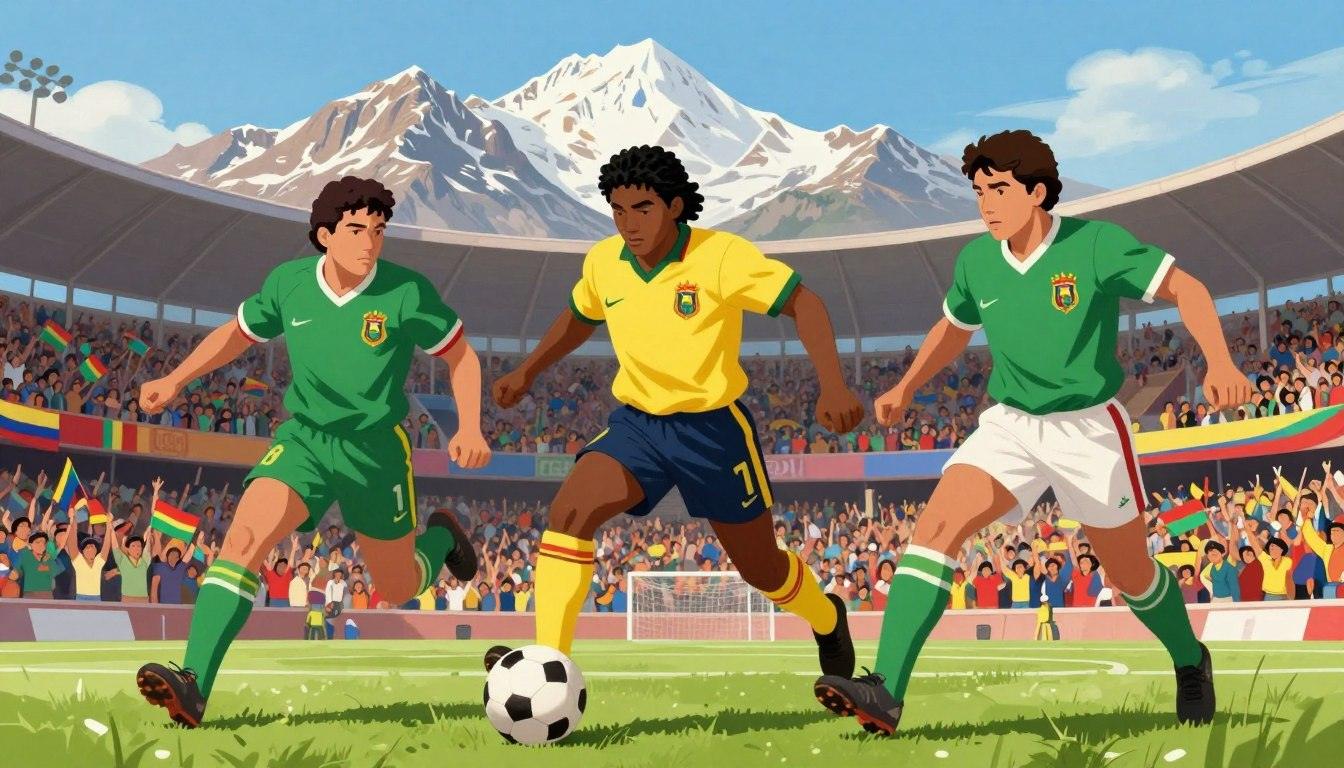
The 1980s were a key time for soccer in Bolivia. It was when the sport won the hearts of millions. The Liga de Fútbol Profesional Boliviano became a place for top talent to shine. Despite tough times, soccer brought hope and pride to the country.
Stars like Carlos Aragonés, Erwin Sánchez, and young Marco Antonio Etcheverry stood out. They showed off their amazing skills and added a special touch to the game. Their efforts helped Bolivia qualify for the 1994 FIFA World Cup.
Places like Estadio Hernando Siles in La Paz became legendary. The high altitude and passionate fans made games unforgettable. Soccer in the 1980s was more than a sport; it united the nation and inspired many. As we look into Bolivian soccer history, we’ll see how these icons symbolized perseverance and pride.
The Era’s Defining Moments
The 1980s were a key time for Bolivian soccer. This decade saw Bolivia make its mark on the world stage, thanks to the Copa América tournaments. The 1983 Copa América was a turning point, as it changed to a format without a fixed host. This allowed Bolivia to show off its skills more.
In the 1987 and 1989 tournaments, Bolivia showed its competitive side. The team started to challenge the big names in South American soccer. This confidence was the start of something big for Bolivia’s soccer stars of the 1980s.
At home, the soccer scene was alive with rivalries. The Clásico Paceño, between Club Bolívar and The Strongest, was a fan favorite. These matches highlighted the talent in Bolivia and fueled the fans’ passion for the game.
Clubs like Oriente Petrolero and Blooming from Santa Cruz also became major players. They added to the competition, pushing clubs to invest in young talent. This was key for the sport’s growth in Bolivia.
The professionalization of Bolivian soccer was another big step. Improvements in the league and the rise of youth academies were vital. These academies helped bring in new talent from all over Bolivia.
Bolivia’s high-altitude cities like La Paz and Potosí also shaped its soccer. The tough conditions made Bolivian players strong and resilient. This was a big advantage for them.
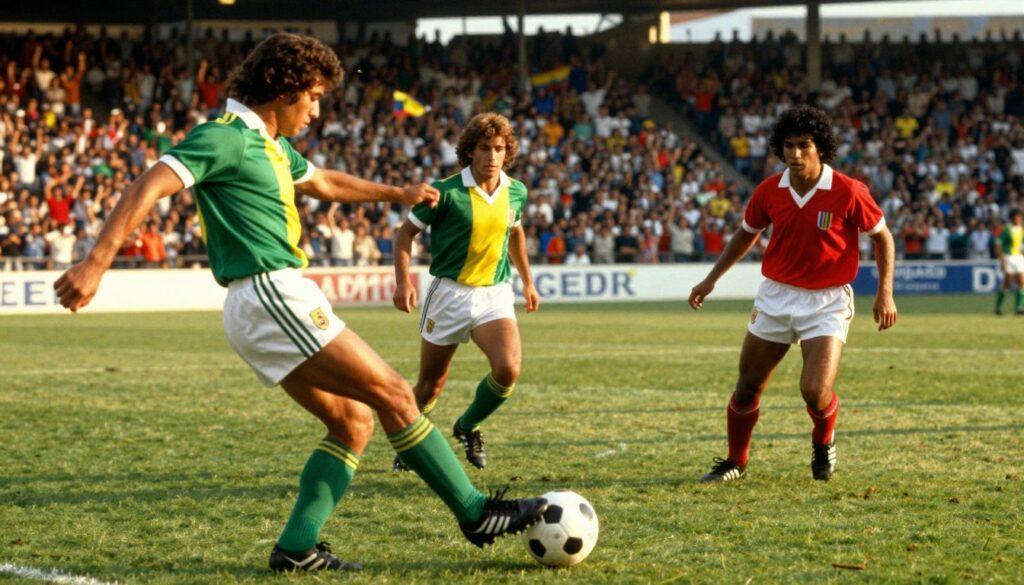
In summary, the 1980s were a defining time for Bolivian soccer. The mix of competitive games, intense rivalries, and unique playing conditions set the stage for Bolivia’s soccer legends. Knowing about these moments helps us appreciate the talent of that era.
Bios of Best Players
The 1980s were a key time for Bolivian soccer. It was a decade that saw a new generation of players emerge. These players not only shone on the field but also became symbols of national pride.
Carlos Aragonés was a midfielder with a vision. His creativity and leadership at Club Bolívar made him a legend. He was known for his precise passing and controlling the game’s pace.
Erwin “Platini” Sánchez started his career in the 1980s with Club Bolívar. His technical skill and free-kick mastery reminded fans of Michel Platini. Sánchez’s rise from a local star to an international icon showed his immense talent.
Marco Antonio Etcheverry, or “El Diablo,” emerged in the late 1980s with Destroyers. His dribbling and creativity were unmatched. Later, he became a Major League Soccer icon with D.C. United, solidifying his legacy.
Carlos Fernando Borja was a defender known for his intelligence and composure. He anchored the backlines of both club and national teams. His contributions were vital in many critical matches.
Milton Melgar was a midfielder with a high work rate and versatility. His ability to fit into different roles made him essential to his teams. He played a key role in several victories.
Lastly, Ramiro Castillo thrilled fans with his flair and technical skills. His playing style left a lasting impact on Bolivian soccer.
| Player Name | Position | Club(s) | Key Achievements |
|---|---|---|---|
| Carlos Aragonés | Midfielder | Club Bolívar | Leader in assists, national team captain |
| Erwin “Platini” Sánchez | Midfielder | Club Bolívar | Free-kick specialist, international star |
| Marco Antonio Etcheverry | Midfielder | Destroyers, D.C. United | MLS champion, influential playmaker |
| Carlos Fernando Borja | Defender | Club Bolívar | Defensive anchor, national team stalwart |
| Milton Melgar | Midfielder | Various clubs | Versatile player, key victories |
| Ramiro Castillo | Forward | Various clubs | Fan favorite, electrifying performances |
Notable Matches and Achievements
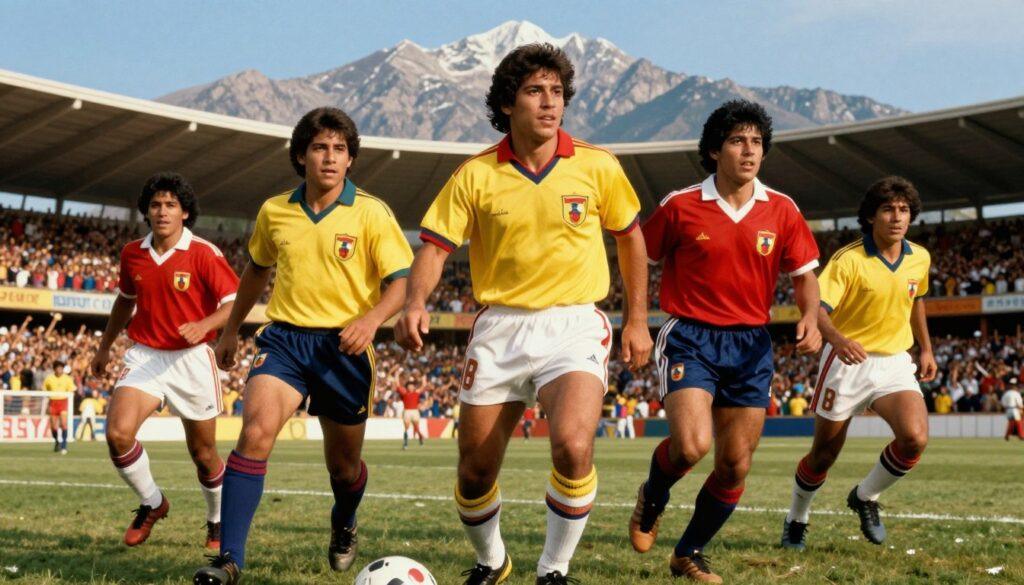
The 1980s were a big change for Bolivian soccer. They had unforgettable matches and achievements. One key moment was in the 1986 World Cup qualifiers. Bolivia showed great strength, fighting hard despite not making it to Mexico.
This showed the team’s spirit and determination. It made them known internationally.
In the Copa América, Bolivia played against big names like Brazil, Argentina, and Uruguay. The high altitude in La Paz helped them win dramatic matches. For example, they beat Argentina 2-0 in 1985, impressing fans and showing their skill.
Club Bolívar became a top team in Bolivia’s league. Their wins showed their strength and started their journey in international competitions. They were among the first Bolivian clubs in the Copa Libertadores, paving the way for future wins.
Players also got individual awards. They won league scoring titles and player of the year awards. These honors helped the next generation of Bolivian soccer players.
Also, friendly matches and tournaments helped Bolivian players get noticed by scouts. This interest led to Bolivian talent spreading out in the 1990s, enriching soccer worldwide.
In short, the 1980s were a key time for Bolivian soccer. They had important matches and achievements that shaped the sport’s future in Bolivia.
Enduring Legacy for Youth and Scouts
The impact of Bolivia’s greatest players from the 1980s goes beyond their playing days. Icons like Carlos Aragonés, Erwin Sánchez, and Marco Antonio Etcheverry inspired future generations. They showed that talent from a small nation can shine globally.
After their success, youth development programs began. The Tahuichi Aguilera Academy in Santa Cruz is a key example. It has produced many notable players for the national team. This academy is a model for finding and nurturing young talent across South America.
The 1980s generation helped Bolivia qualify for the 1994 FIFA World Cup. This achievement introduced Bolivian soccer to American fans and scouts. Today, scouts study the 1980s Bolivian style of play, which focuses on technical skill and adaptability at high altitudes.
Etcheverry’s successful MLS career also made a big impact. His journey showed the value of international opportunities for Bolivian players. The legacy of these icons continues to shape Bolivian soccer, teaching valuable lessons in youth development and scouting.
For more insights on player profiles and scouting metrics, check out this resource.