

The sports broadcast dates that defined 2026 were less about a single new platform and more about how major leagues arranged their biggest inventory across television, streaming and exclusive windows. By September 6, 2026, several key events had already passed: Super Bowl LX on February 8, the Milan-Cortina Winter Olympics from February 6-22, MLB Opening Day on March 26, and the April 22 WNBA broadcast schedule release. The result was a year in which fans had to track rights changes with the same care they bring to roster moves, playoff races and fixture congestion.
February Set The Early Viewing Pattern
February offered the clearest snapshot of how concentrated the U.S. sports calendar became in 2026. NBCUniversal’s programming window included Super Bowl LX, the Winter Olympics and NBA All-Star Weekend within the same month. That stretch was framed by NBCUniversal as “Legendary February,” but the more useful reading is practical: premium live sports were grouped tightly across broadcast and streaming distribution.
Super Bowl LX And The Winter Olympics
Super Bowl LX was held on Sunday, February 8, 2026, at Levi’s Stadium in Santa Clara, California. The research notes list the matchup as the New England Patriots against the Seattle Seahawks, with the game airing on NBC and Peacock. It drew 125.6 million viewers, making it the second-most watched Super Bowl in history. That figure matters because it showed the NFL’s top event still had huge reach even as streaming access became part of the same distribution plan.
The Milan-Cortina Winter Games ran from February 6-22, 2026. NBCUniversal held exclusive U.S. media rights, with daily live events across NBC, USA Network and CNBC, plus streaming coverage through Peacock and NBCOlympics.com. NBC also aired a nightly primetime wrap-up show. From a fan-planning perspective, the overlap with the Super Bowl created a rare stretch in which football and Olympic programming competed for attention while also feeding the same broader media portfolio.
Why Simultaneous Rights Windows Mattered
The key point is not simply that several events were large. It is that they were placed close together and carried across overlapping platforms. For casual viewers, that can create friction: the same month may require switching between linear channels, subscription streaming and league-specific coverage hubs. For leagues and media companies, the benefit is clearer. Live sports still gather audiences at scale, and February 2026 showed how those audiences can be directed across multiple properties without moving away from premium events.
Sports Broadcast Dates Across Spring And Summer
The spring calendar widened the story. MLB, MLS and the WNBA each had confirmed distribution notes that affected how fans followed regular-season games. These sports broadcast dates were not isolated listings; they were signs of how leagues sought wider reach while protecting valuable exclusive windows.
Sports Broadcast Dates For MLB
Major League Baseball began a new three-year media rights package with NBCUniversal and Peacock for the 2026 season. The agreement included exclusive broadcasts of “Sunday Night Baseball,” “MLB Sunday Leadoff,” the Wild Card round, listed at 8-12 games annually across NBC, NBCSN and Peacock, plus select primetime matchups. The first game under the package was Opening Day on March 26, 2026, with Dodgers vs. Diamondbacks, according to NBCUniversal’s announcement.
For baseball, the move placed a familiar national product into a broader NBC and Peacock setup. It also gave the Wild Card round a defined home inside the deal. That is significant because postseason access is different from regular-season sampling. A fan might follow local broadcasts for months, then need a separate national platform for the first playoff round. The 2026 arrangement made platform awareness part of postseason preparation.
MLS And WNBA Distribution Changes
Major League Soccer’s 31st campaign in 2026 had all 510 regular-season matches available worldwide on Apple TV, with no blackout restrictions. Select matches also aired on FOX networks in the United States, TSN and RDS in Canada. The league’s MLS is Back weekend was February 21-22, 2026, Miami Freedom Park opened on April 4, and the season paused for the FIFA World Cup from May 25 to July 16. That pause was one of the clearest examples of how global football scheduling influenced a domestic league’s broadcast rhythm.
The WNBA announced on April 22, 2026, a 30th season schedule with a record 216 nationally broadcast regular-season games. Platforms listed in the research included ABC/ESPN, Prime Video, CBS Sports/Paramount+, ION, NBC/Peacock/NBCSN, USA Network and NBA TV. Eight primetime games were set for CBS/Paramount+. For a league with rising national visibility, the number of national windows mattered because it gave player development, star matchups and playoff positioning more consistent exposure.
- March 26, 2026: MLB’s NBCUniversal and Peacock package began with Dodgers vs. Diamondbacks on Opening Day.
- April 22, 2026: The WNBA revealed a 216-game national broadcast regular-season schedule.
- May 25-July 16, 2026: MLS paused its season during the FIFA World Cup window.
For those curious about the impact of technology on these shifts, detailed insights into media infrastructure improvements can be found on CADCAMNET, a related site in the same network.
NFL Network, RedZone And Rights Consolidation
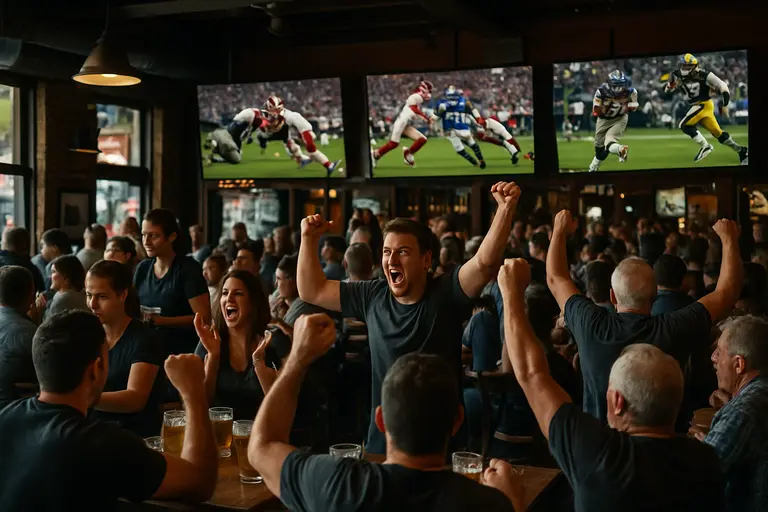
The NFL’s distribution change was not tied to one game date, but it may prove to be one of the most consequential business moves listed in the 2026 research. On January 31, 2026, regulators approved a deal in which ESPN acquired NFL Network and the rights to RedZone. The agreement gave ESPN control over streaming and broadcast distribution of live NFL content that included RedZone, which had previously stood apart from ESPN’s own channels. The Associated Press reported the core deal details in its coverage of ESPN and NFL Network.
What ESPN Added In January
NFL Network has long been tied to league programming, studio shows and game-related coverage. RedZone carries a different kind of value because it is built around live game flow and rapid movement between scoring chances. Bringing those assets under ESPN control connected a league-owned media property with one of the dominant sports broadcasters in the United States. The research also notes that the deal gave the NFL a stake in the network, which points to a closer commercial relationship rather than a simple sale of isolated programming rights.
Why Channel Ownership Matters
For fans, the immediate concern is access: where a channel is available, how it is bundled, and whether streaming distribution changes over time. The confirmed information does not provide every future packaging detail, so caution is needed. What can be said is narrower and well supported: the NFL Network and RedZone rights moved into ESPN’s control after approval on January 31, 2026. That matters because NFL viewing habits are built around weekly routines, and RedZone is one of the clearest examples of a product designed for game-day attention across many markets at once.
Sports rights spending also framed the year. The research notes projected global sports media rights spending above $67.34 billion in 2026, up nearly 10% from 2025. It also listed North America at 52% of the total and the United States at a projected $32.8 billion. Those figures help explain why leagues were not just selling games; they were assigning specific windows, feeds and exclusivities to maximize audience value.
2026 Sports Broadcast Dates For Fans
The practical lesson from the sports broadcast dates in 2026 is that the calendar became a media map. Super Bowl LX showed the strength of event television and streaming combined. The Winter Olympics showed how daily live coverage and primetime packaging could work together. MLB’s new NBCUniversal and Peacock deal placed regular-season and Wild Card inventory into a fresh rights structure. MLS leaned on a global Apple TV model with no blackout restrictions for all regular-season matches. The WNBA’s 216 national regular-season games showed broader distribution across several partners. The NFL Network and RedZone move put major football assets under ESPN control.
A Cautious Read On Access
None of this means every fan had simpler access. In some cases, the 2026 model improved availability, as with MLS matches listed worldwide on Apple TV without blackout restrictions. In other cases, fans needed to track exclusive windows, postseason rights and platform-specific games. The safest conclusion from the confirmed record is that sports broadcast dates now carry more information than start times. They signal which company controls the feed, which platform has the event, and how leagues are balancing reach against rights value.
For sports fans, that makes calendar literacy part of following a team. Roster news still drives the emotional center of a season, but media rights decide how those games reach homes. The major 2026 deals and events showed that broadcasting is no longer a background detail. It is part of the competitive and commercial structure around every league on the schedule.