
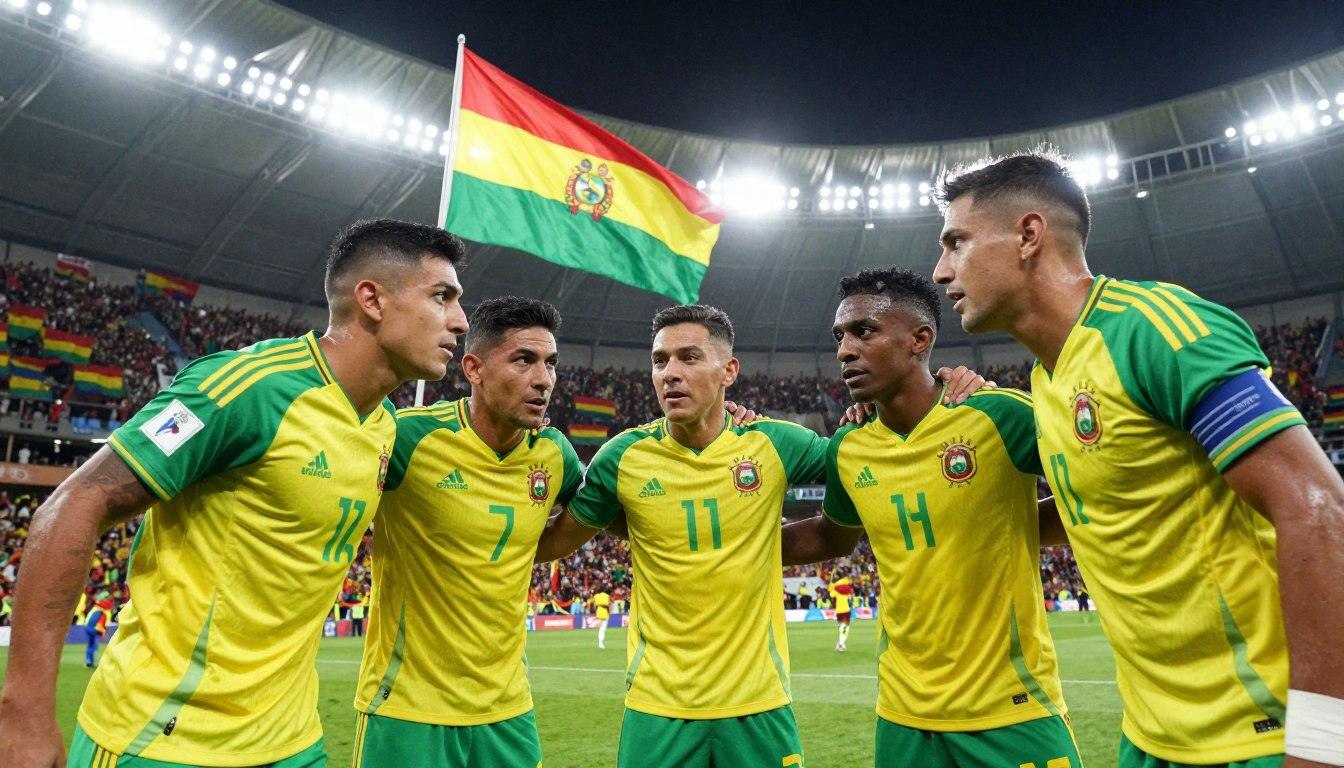
In football, getting a cap is a big deal. It means a player has played in an official match for their country. For Bolivia, a nation with a rich football history, earning caps shows great talent and hard work.
Marcelo Martins is a shining example. He has played over 100 times for La Verde. His journey started in 2010, making him a key part of Bolivia’s football story.
Martins has made a big impact in World Cup qualifiers. He has scored 23 goals, the most for Bolivia in this area. His performance in the 2022 qualifiers, with ten goals in 16 matches, shows he’s as good as ever.
This article will look at the dedication and leadership of Bolivia’s top footballers. We’ll see what makes them special and how they’ve shaped Bolivian football.
What it Takes to Reach 100+ Matches
For Bolivian footballers, getting to 100+ international games shows their grit. It’s not just about being good at the game. It takes top-notch physical shape, mental toughness, and a deep commitment to the national team.
The path to this goal takes 12 to 15 years of being picked for the team. Players must stay in top shape, even into their mid-to-late thirties. Every game is a chance to show they’re worth it, as injuries can end careers.
Playing at Estadio Hernando Siles in La Paz is a special challenge. It’s over 11,900 feet high, making it hard to breathe. Players must get used to the thin air, which affects how they play and recover.
Traveling for away games across South America adds more stress. Long trips and different weather can make it tough to perform. The mental strength needed is huge, as Bolivia hasn’t made it to the World Cup in a long time.
Having a stable club career and access to top training facilities helps too. Adapting to different coaches and playing styles is also key for growth.
In short, reaching 100 international games is more than just playing a lot. It shows Bolivian footballers’ hard work, resilience, and ability to adapt. They represent their country with honor and determination.
Key Career Milestones and Leadership
The journey of Bolivia’s most capped players is filled with key moments. These moments show their dedication and impact on the national team. Marcelo Martins, for example, started playing in 2010. He has become Bolivia’s top scorer.
Martins’ best year was 2022. He scored ten goals in 16 games. This achievement made him even more important to the Bolivia caps record. Even when the team faced challenges, Martins stood out.
Leadership is key in their careers. Ronald Raldes, for instance, captained Bolivia and got over 100 caps. As a defender, he was a key player in World Cup qualifiers. His leadership boosted his teammates and fans.
Reaching milestones like 50, 75, and 100 caps means a lot. It shows a player’s commitment to their country. These achievements inspire everyone involved.
For more insights into players with significant caps, check out this detailed analysis.
Profiles: Most Appearances
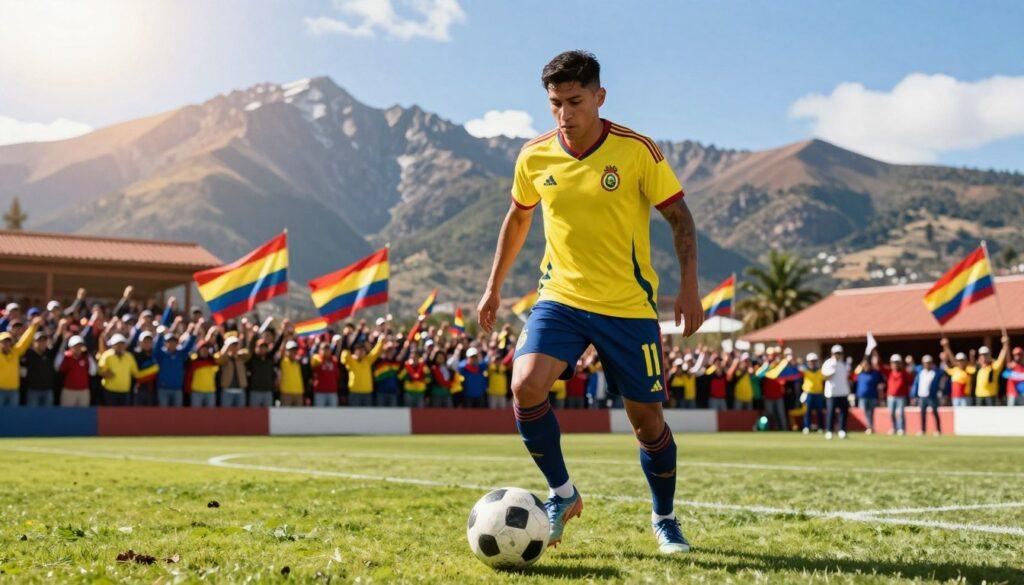
In the rich tapestry of Bolivian football, certain players have left an indelible mark with their impressive appearances. Leading this elite group is Marcelo Martins, who stands as Bolivia’s record appearance holder and all-time leading goal scorer. With 23 goals in World Cup qualifiers, he ranks third on the South American all-time list. His remarkable goals-per-game ratio of 0.36 showcases his striking prowess.
Martins has been a fixture in Bolivia’s attack for over a decade. His international career began in 2010, where he scored seven goals in just 15 games. Notably, his best qualifying campaign occurred in 2022, where he netted ten goals in 16 appearances. Known for his aerial ability and powerful shot, Martins has established himself alongside South America’s elite strikers, including Lionel Messi and Luis Suárez.
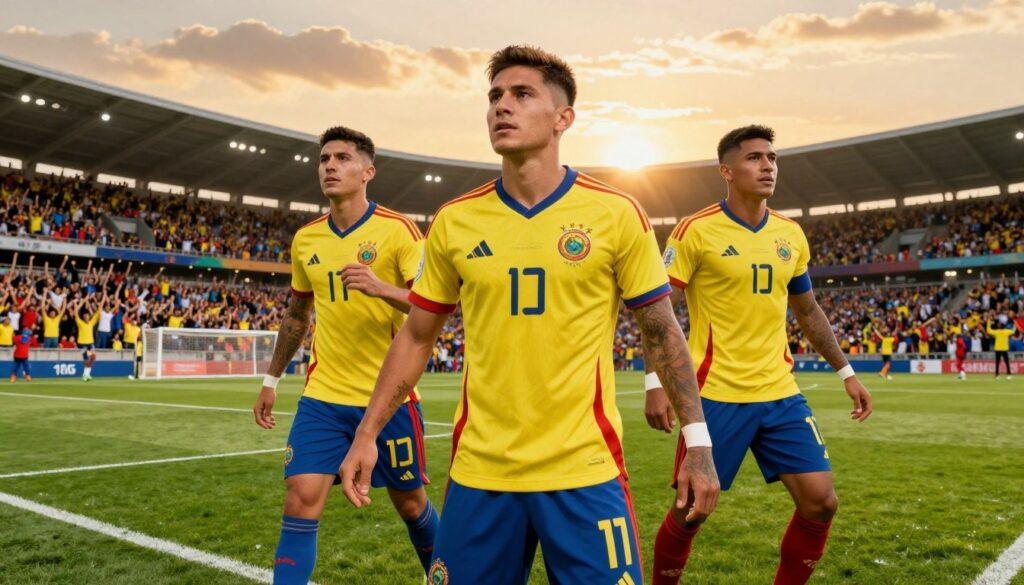
Another key figure in Bolivian football history is Ronald Raldes, a stalwart central defender who earned over 100 caps. Raldes provided critical defensive leadership across multiple World Cup cycles, solidifying his reputation as a dependable player.
Luis Cristaldo and Marco Sandy also made significant contributions to Bolivia’s defense, forming a formidable partnership that was instrumental during the 1994 World Cup qualification campaign. Their cohesive play and understanding of the game were vital for the team’s success.
Lastly, Juan Manuel Peña brought versatility and composure to the field, making him indispensable with nearly 100 international appearances. Goalkeeper Carlos Trucco showcased exceptional shot-stopping ability, playing a vital role during Bolivia’s most successful era.
| Player | Appearances | Goals | Position |
|---|---|---|---|
| Marcelo Martins | 100+ | 23 | Forward |
| Ronald Raldes | 100+ | 5 | Defender |
| Luis Cristaldo | 90+ | 2 | Defender |
| Marco Sandy | 80+ | 1 | Defender |
| Juan Manuel Peña | 95+ | 3 | Defender |
| Carlos Trucco | 80+ | 0 | Goalkeeper |
These players exemplify the dedication and talent required to achieve the status of the most capped Bolivian players. Their unique attributes and contributions have significantly shaped Bolivia’s football narrative. For deeper insights into the minds of these footballers, check out in-depth player interviews.
Impact in Major Tournaments
Bolivia’s journey in international football has seen many key moments. Their first World Cup in 1994 was a big deal. Players like Marco Sandy and Luis Cristaldo made it happen. They showed the world Bolivia could play after 44 years of waiting.
The Copa América has also shown Bolivia’s strength. In 1997, they made it to the final at home. Playing in La Paz, at high altitude, was a big advantage. Experienced players adapted well, making La Paz tough for opponents.
Marcelo Martins has stood out in World Cup qualifying. He has 23 goals in 64 games, ranking high in South America. His 10 goals in 2022 qualifying helped Bolivia stay in the game, despite tough competition.
Though Bolivia hasn’t qualified for World Cups often, their players’ experience is valuable. This experience keeps the team ready to compete at a high level. It shows the power of dedication and skill in achieving success globally.