
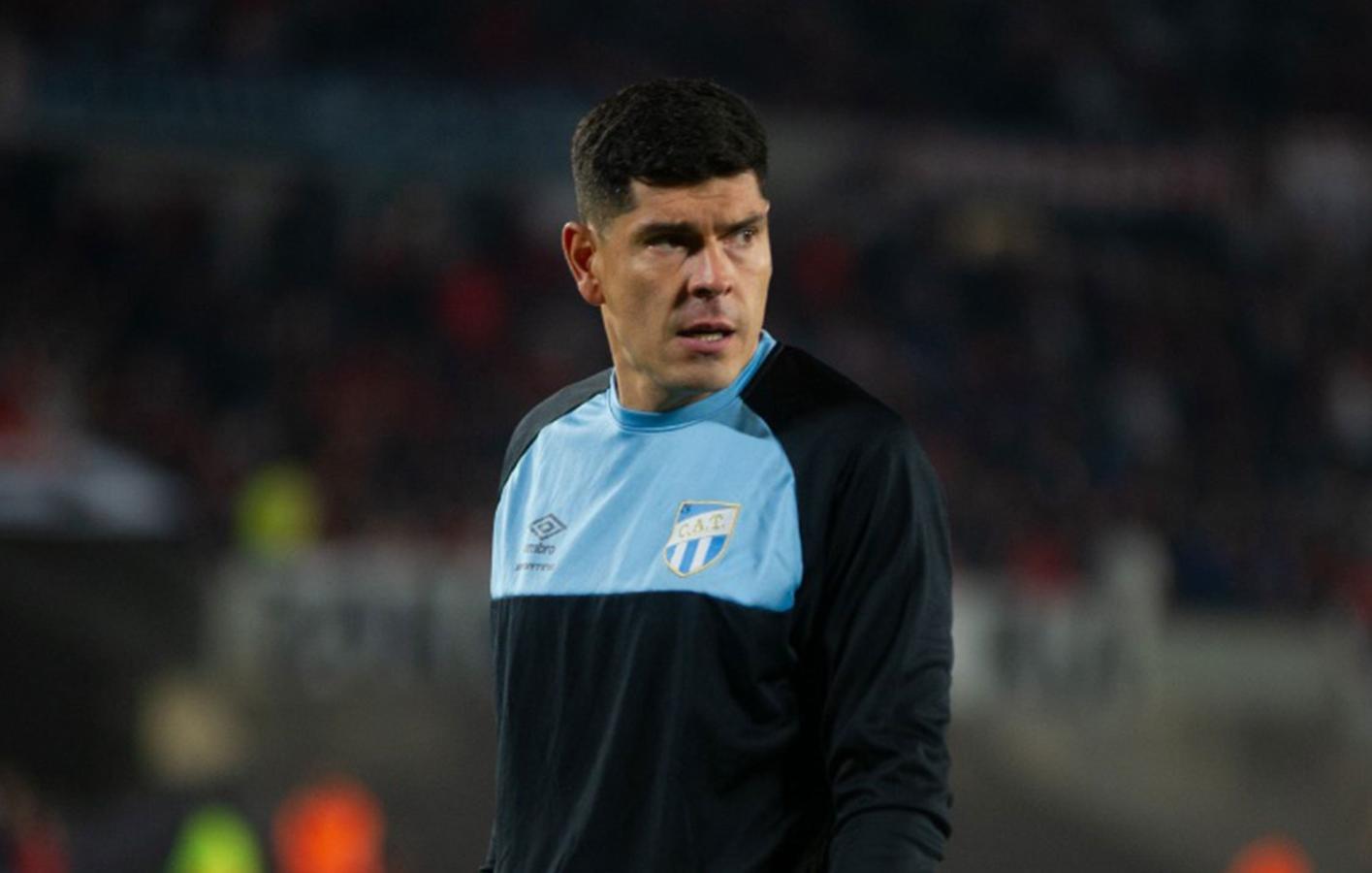
Imagine dedicating nearly two decades of your life to defending a goalpost stationed in the clouds, only to have the ultimate reward slip through your fingers on foreign soil. In April 2026, the Bolivian football ecosystem experienced a seismic emotional shift. Following a heartbreaking 2-1 defeat to Iraq in the World Cup intercontinental playoffs, 39-year-old goalkeeper Carlos Lampe officially announced his retirement from the national team.
His departure after 62 caps represents more than just a roster change. It is the conclusion of a career that perfectly encapsulates the physiological burdens and geopolitical ceilings faced by athletes forged in the Altiplano. Lampe was not just a shot-stopper; he was a biological anchor for La Verde.
The Anatomy Of A High-Altitude Goalkeeper
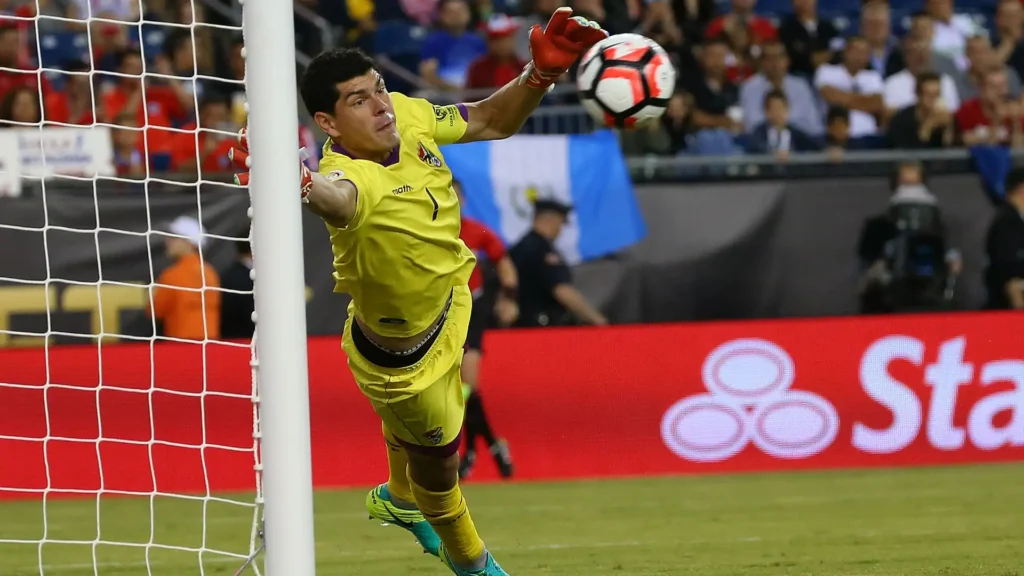
Goalkeeping at 3,600 meters is an entirely different sport. In the thin air of Estadio Hernando Siles, aerodynamic drag is drastically reduced, meaning the ball travels significantly faster and with less predictable curl. A goalkeeper’s spatial awareness, reaction time, and positioning must be entirely recalibrated compared to sea-level standards.
Standing at 1.92 meters, Lampe mastered this unique atmospheric calculus. While European scouts often look for explosive distribution, Lampe’s value was rooted in his metabolic efficiency and his ability to read the unnatural flight of an altitude-struck football. He didn’t just survive the harsh environmental realities; he utilized them to build an impenetrable penalty area.
His physiological resilience allowed him to endure the chaotic league-wide developments and relentless scheduling of South American football. Whether facing intense high-press systems or enduring the musculoskeletal shock of transitioning between sea level and the Andes, Lampe’s body became a testament to Altiplano endurance.
A Career Built On Geographic Transition
Lampe’s club trajectory is a fascinating case study in how the global market views Bolivian talent. After establishing himself as a domestic titan with San José and Sport Boys, he crossed the border to join Huachipato in Chile. He proved that an Andean goalkeeper could adapt to coastal physics, stringing together clean sheets and drawing the attention of continental giants.
The climax of this geographic transition was his historic 2018 loan to Boca Juniors. Brought in for the Copa Libertadores finals, Lampe stepped into the cauldron of La Bombonera. While he ultimately remained on the bench during that infamous series against River Plate, his presence shattered a profound psychological barrier. He proved that the Altiplano could export talent directly to the elite echelons of Argentine football.
This paved the way for subsequent, highly successful spells at Vélez Sarsfield and Atlético Tucumán. According to historical Transfermarkt data, his peak years in Argentina forced lowland scouts to re-evaluate their systemic bias against Bolivian defensive prospects.
The Emotional Toll Of The Final Cap
International football for Bolivia is rarely glamorous. It is a grueling exercise in geopolitical disadvantage. For years, Lampe served as the vocal leader of a dressing room that frequently dealt with unpaid wages, federation instability, and overwhelming odds.
His final act in the 2026 World Cup qualification cycle was a desperate, heroic push. The tears he shed after securing the initial playoff spot were a raw display of the emotional toll this journey takes. To fall short in the final match against Iraq is a tragic, yet deeply poetic, end to his international narrative.
| Career Phase | Primary Club(s) | Geographic Context | Key Milestone |
|---|---|---|---|
| Domestic Foundation | San José, Sport Boys | High Altitude | Established domestic dominance |
| Coastal Adaptation | Huachipato (Chile) | Sea Level | Proved transition viability |
| Continental Peak | Boca Juniors, Vélez, Tucumán | Sea Level Elite | Shattered psychological export barriers |
| The Final Chapter | Club Bolívar | High Altitude Return | Guided La Verde to the 2026 Playoffs |
Passing The Torch To The Next Generation
With Lampe returning his focus solely to Club Bolívar for the twilight of his club career, the national team faces a massive structural void. The competition between him and Guillermo Viscarra had been the iron sharpening the iron of Bolivia’s defensive unit.
The federation must now identify a successor who possesses not just the reflexes to stop a penalty, but the absolute grit required to command a defense at 12,000 feet. Lampe leaves behind a legacy that cannot be measured merely in clean sheets. He redefined the parameters of what a Bolivian goalkeeper could achieve on the international stage.