
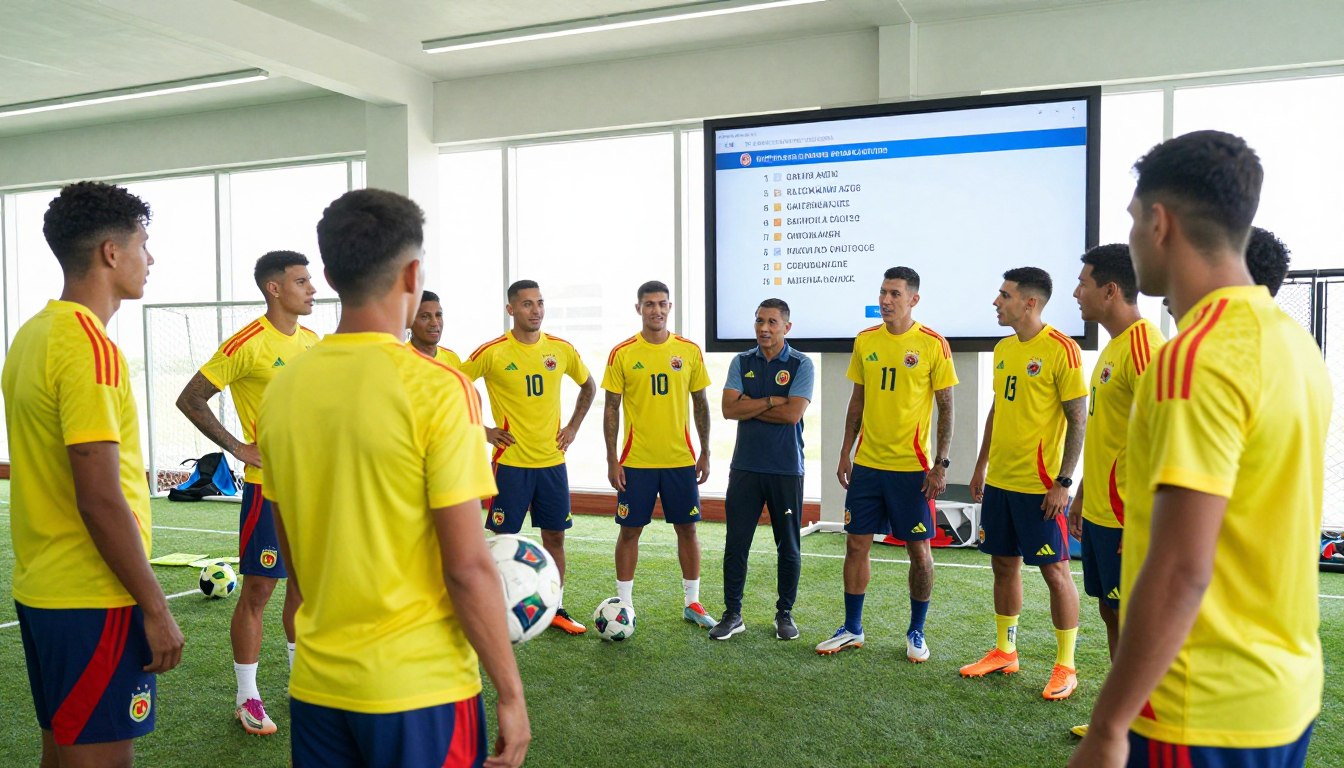
Let’s take a closer look at Óscar Villegas’s chessboard. The December 2025 call-up sheet is more than just a list. It’s a statement of change. It mixes young talent with seasoned veterans.
Meet 17-year-old goalkeeper Gerónimo Govea. Born in 2008, he’s quite young. He’s joined by Marcelo Torrez and Óscar López, both teenagers. This is more than just youth; it’s a youth movement.
But they’re not alone. Diego Medina, with 31 caps, adds experience to the mix. This team is all about rebuilding and trying new things.
The team comes from different places like San Antonio Bulo Bulo, CSKA 1948, and Brazilian academies. This is a test of their skills. My opinion? This Bolivia squad selection is not just for a friendly. It’s a chance for the next generation to shine.
The message is clear. The old guard is stepping aside. The young ones are taking over. Welcome to the new era.
New inclusions vs omissions
The omissions in this squad aren’t just about who’s in or out. They’re a clear statement against Bolivia’s past. When the December 2025 list was announced, it was more than just national team news. It was a bold statement against the old ways.
Let’s look at who’s leaving. It’s a big change. Captain Luis Haquín, the defensive rock, is gone. So is goalkeeper Carlos Lampe, who protected Bolivia for years. Also leaving are midfield star Gabriel Villamíl and veterans José Sagredo and Ramiro Vaca.
This isn’t just cutting fat. It’s cutting deep. Dropping your captain is a big deal. It’s like switching from a reliable old phone to a new one. You might get new features, but you’ll miss the familiar feel.
The new players bring a fresh story. Young talents like Govea, Torrez, and López get a chance. But the real surprises are Darío Torrico, Carlos Sejas, and Leonardo Zabala. They have little experience but have caught the coach’s eye.
This national team news tells us a lot. Experience doesn’t matter anymore. The old guard, who fought hard for Bolivia, is being let go. The new team faces a tough challenge.
Here’s what this selection means:
- Domestic form over international experience: Players like Torrico and Sejas are known in Bolivia but not globally. Their recent performances have impressed the coach.
- Potential over proven track records: The young players are all about possibility. The coach believes he can shape them fast.
- Coach’s vision over sentimental legacy: Every player left out shows that the coach’s plan is more important than past achievements.
This bold change isn’t just for Bolivia. Across South America, coaches are making tough choices. Like Brazil’s surprising decision to leave out Vinicius Jr.
The real story here isn’t who’s in or out. It’s the why. The coach is building a team for a specific, tough plan. The old guard doesn’t fit this new vision.
So, the big question is: are these young players ready? Can they handle the pressure that the veterans faced? This national team news cycle says, “we’ll see.”
The future of Bolivian football is in the hands of the young. It’s a bold, risky move. Whether it’s a success or a failure, it’s the most exciting part of Bolivian football now.
Tactical fit
In El Alto, Bolivia, the game plan isn’t written on a whiteboard. It’s in the players’ bodies. This Bolivia squad selection is football’s extreme environmental specialization. Forget tiki-taka. The game plan is set at 4,150 meters, or about 13,620 feet.
At the Estadio Municipal de El Alto, Bolivia has a perfect home record in qualifiers. They’ve beaten Venezuela, Chile, Colombia, and even Brazil. This isn’t a coincidence. It’s because the squad is built for this high-altitude arena.
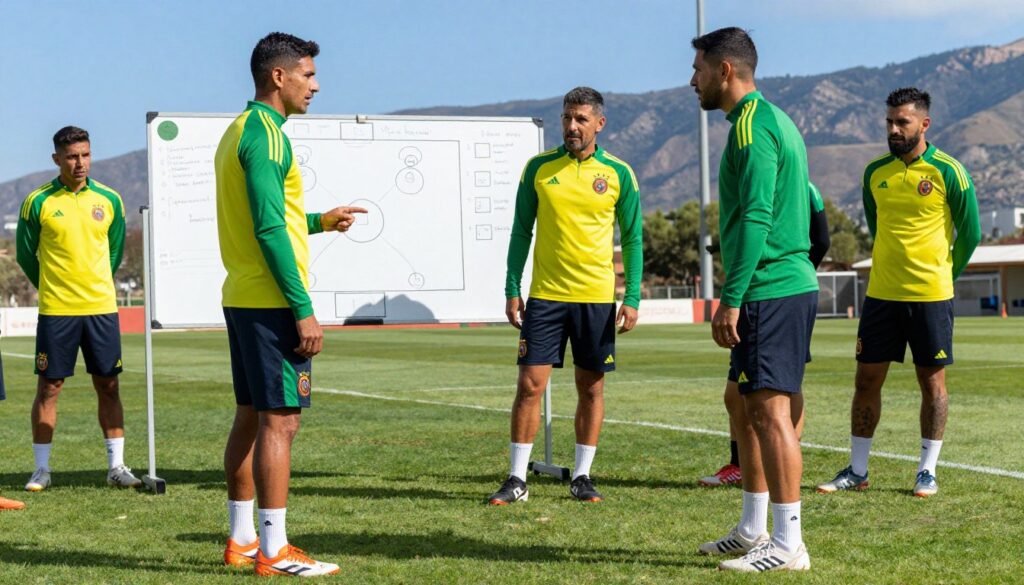
19 of the 28 players in recent windows play in Bolivia. 16 of them play above 8,000 feet. They’re not just footballers; they’re high-altitude specialists. Their bodies have adapted to thin air.
Manager Villegas chooses players based on their physical adaptation, not just skill. Players from Always Ready, a top Bolivian club, are key. They don’t need to acclimatize. El Alto is their natural habitat.
Miguel Terceros is a wildcard. With 30 caps and 8 goals, he brings technical quality. He’s the moment of refinement in a strategy built on environmental force. While his teammates use the altitude, Terceros can unlock defenses with skill.
The tactical fit is simple and elegant. Survive the initial exchanges. Press in short, intense bursts. Let the altitude do the defensive work. Then, use Terceros or another quick outlet. It turns a geographical quirk into a strategic checkmate.
This approach has been controversial. Critics say it’s unfair. Supporters say it’s smart. But in the context of this Bolivia squad selection, it’s effective. Choosing a player who can’t handle the environment would be a tactical failure.
When you look at this roster, don’t search for the next global superstar. Look for the player who won’t need an oxygen mask at halftime. That’s the real tactical fit. It’s about fortitude, not formations. In the thin air of the Andes, that’s what matters.
Short-term impact
The short-term goal for Bolivia’s new team is clear: Monterrey, Mexico, on March 26, 2026. All the training and friendly games are just leading up to this big match against Suriname. This game is more than just a game; it’s Bolivia’s chance to prove itself on the world stage.
Let’s look at the recent national team news. Bolivia finished 7th in CONMEBOL qualifying and got a playoff spot. They beat Brazil 1-0 at home in September 2026. This win showed their determination and young talent.
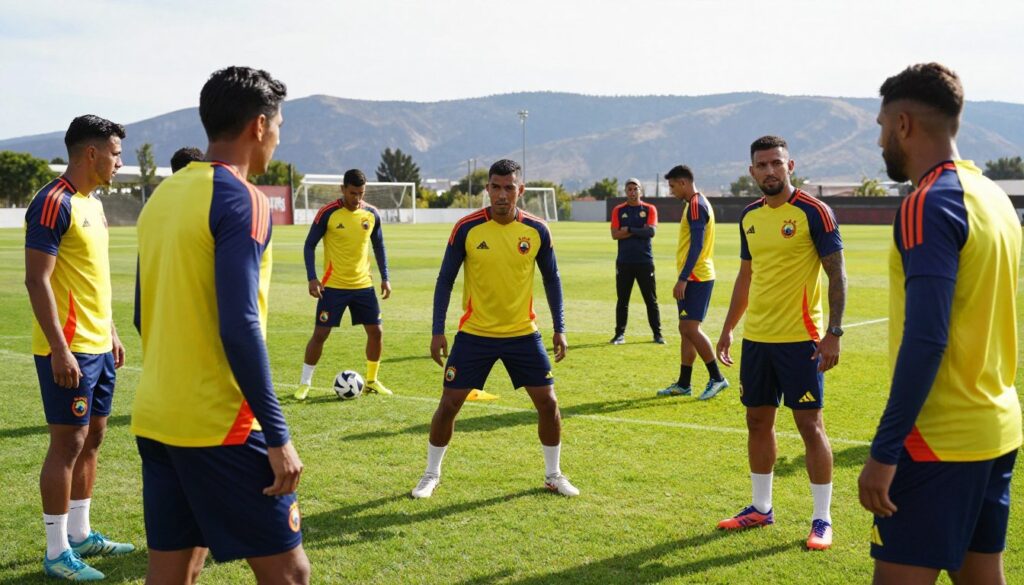
The team now faces a big challenge. They need to show they can play well at sea level in Monterrey. The January friendlies against Panama, Mexico, and the Dominican Republic are key. They’re chances for the team to prove they can adapt.
The outcome of this challenge is simple. Win on March 26, and Bolivia is one step closer to the World Cup. Lose, and the whole rebuild might be seen as a failure. The pressure is high, but the team is ready to show what they can do.
The team’s young players face a lot of pressure. But they’re not alone. Coaches and veterans are all focused on the same goal: to prove the El Alto doctrine works everywhere, not just at home.
Long-term implications
This Bolivia squad selection is more than just a team for the playoffs. It’s a statement of intent for the next ten years. The goal is not just 2026. It’s about creating a lasting system.
Winning the upcoming playoff would be a huge deal. It would show that focusing on young players from high altitudes is the right move. It could also bring in more resources to fix the broken pyramid system. But losing could lead to disappointment and another change in management.
The team’s young players, like Govea and Torrez, are key for the future. They’re not just for 2026. They’re the foundation for 2030. This long-term plan is a big change from Bolivia’s past of quick fixes.
But, there’s a big challenge ahead. The domestic football scene is in trouble. A FIFPRO report shows problems like low wages, bad governance, and safety issues. Building a strong national team on shaky ground is risky. FIFA might need to step in to help.
The wise words are that this gamble is necessary. For a country whose football history is marked by struggles, relying on local talent and a long-term plan is the only smart choice. They’re not just picking a team for a game. They’re trying to create a lasting identity.