

The Rays Stadium Proposal moved from concept to approved public-sector framework in 2026, giving Tampa Bay baseball a clearer path toward a long-term home in Tampa while leaving major financial and community questions on the table. The plan, centered on the Hillsborough College Dale Mabry campus near Raymond James Stadium, is not only a ballpark story. It is a public-finance story, a neighborhood-impact story, and a sports-business test for a franchise that has spent years searching for venue certainty.
The proposal’s scale is large by any local standard. The estimated total cost was listed at $2.3 billion, with the Rays committing more than half of that figure and agreeing to cover design and construction cost overruns, according to the club’s published plan on MLB.com. That commitment gives the plan a stronger private component than many public stadium debates, but the public contribution still drew scrutiny because it relies on existing local revenue streams that could otherwise be tied to other civic needs.
Rays Stadium Proposal And The Public Ledger
The financial structure has shifted as the proposal moved through documents and votes. The early framework described an estimated $2.3 billion ballpark, with the Rays organization committing about $1.235 billion and public funds accounting for about $1.065 billion. Public money was described as coming from existing sources rather than new taxes, with Hillsborough County initially tied to $750 million and the City of Tampa to $251 million.
What The Rays Stadium Proposal Commits
Later definitive documents changed the public-private mix. The Rays’ private investment was reported at about $1.37 billion, plus overruns, while the city’s share was reduced to about $80 million. Hillsborough County approved its share on August 28, 2026, through a 5–2 vote backing $796 million, while Tampa approved about $80 million by a 4–3 vote slightly earlier, as reported by Pollstar News. Those vote margins matter because they show approval, but not consensus.
The county funding package included several components from the research record: $360 million from the Community Investment Tax over four years, $303 million in bonds and reserves tied to the Tourist Development Tax, $30 million from federal disaster recovery funds, and $103 million from unspecified county sources. The use of Community Investment Tax money became one of the most sensitive points because critics argued that the revenue stream had underperformed and could put pressure on other county priorities.
Lease Length And Team Responsibilities
The proposed lease runs 35 years, with options to extend for up to 15 more years through five separate three-year periods. The Rays would take responsibility for operation, maintenance, insurance, repairs, and a non-relocation commitment. In stadium finance terms, those duties are meaningful because they shift certain long-term facility obligations to the team rather than leaving every operating risk with local government. The tradeoff is that public entities still carry a large upfront commitment for construction-related funding.
For readers comparing this project with other venue deals, our related analysis of the Rays ballpark project tracks how cost, lease terms, and the Tampa site shaped the franchise’s venue era.
Community Tests Around The Rays Stadium Proposal
The community side of the project is tied to a Community Benefits Agreement and a separate Community Benefits and Legacy Plan released by the Rays on August 25, 2026. The plan listed priorities that included affordable housing, anti-displacement, public safety, transportation, local hiring, MWBE participation, youth sports, veterans, and reporting of outcomes. Those categories are broad; the main test will be whether the stated goals become measurable delivery rather than aspirational language.
Housing, Neighborhoods, And Local Hiring
Between 2027 and 2031, the agreement promises $4.2 million to the city, including $1.25 million for housing-related projects in neighborhoods such as West Tampa Heights, Drew Park, and East Tampa. The full Community Benefits Agreement was valued at $21 million to the city and $39 million to the county. Those figures are significant in the stadium document set, but they should be read against the total project cost. A $2.3 billion proposal can generate high expectations, and residents near the site will judge the deal by housing pressure, traffic patterns, job access, and whether local firms see real contracting opportunities.
Youth sports also belongs in the evaluation. A new MLB venue can be framed as a player-development asset for a region, but that claim is only as strong as the facilities, programs, and access points created for young athletes. The research supports that youth sports was included in the benefits plan; it does not yet prove long-term participation gains or talent outcomes.
Public Support Was Split
Public sentiment was mixed in the survey data cited in the research. In a survey fielded from April 16 to June 9, 2026, among 612 active voters in Hillsborough County, 75% said they believed the ballpark would create jobs and 68% said it would improve entertainment options. Those are favorable indicators for the project’s public-facing appeal.
The same survey showed the funding concern clearly. Only 45% supported using public funds, 52% opposed public financing, and fewer than one in five felt residents had real input. That split is central to the project’s civic profile: many voters appeared open to the idea of a ballpark and the activity around it, but far less convinced that public dollars should be used at the approved scale.
Site Timing And Baseball Operations
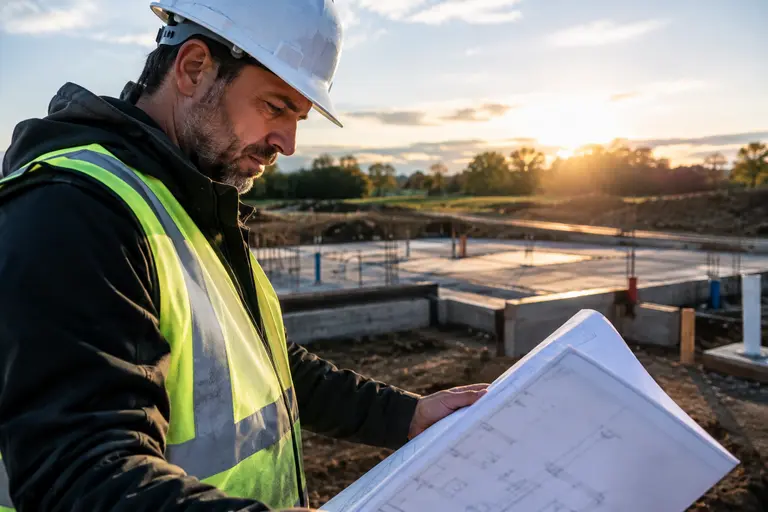
The proposed location at the Hillsborough College Dale Mabry campus places the ballpark near Raymond James Stadium, creating a sports corridor with clear event potential. The research record says work needed to begin by early September 2026 to meet a targeted Opening Day of March 31, 2029. Because the ground-truth date for this article is October 28, 2026, that September benchmark is now a past deadline in the documents, not a future milestone. The available research does not establish whether every construction step tied to that benchmark was completed.
Why The Tampa Site Matters
For the franchise, the site matters because it links ballpark planning to access, parking, surrounding development, and the team’s long search for permanence. A 35-year lease with extension options would give the Rays a venue horizon that can shape sponsorship, premium seating, scheduling, baseball operations planning, and player recruitment conversations. Those are reasonable sports-business implications, but the research does not provide enough evidence to claim a direct roster or player-development effect.
For residents, the same site raises a different set of questions. Event traffic, neighborhood investment, housing pressure, and public-safety needs can change when a major sports venue anchors a district. The proposal’s Community Benefits and Legacy Plan names several of those issues, but naming them is not the same as resolving them. Reporting and tracking outcomes will be central to judging whether the public benefit matches the public cost.
Mixed-Use Value Versus Ballpark Value
The economic projections in the research separate the ballpark from the surrounding development. Over 30 years, the stadium itself was expected to generate $258 million in net tax collections, while the surrounding mixed-use development was projected at $767 million. That difference is important. It suggests that much of the long-term fiscal argument rests outside the playing field and seating bowl, in the private and public activity created around the site.
That does not make the ballpark irrelevant. In many stadium plans, the venue is the anchor that makes adjacent development more likely. But it does mean the public return depends on more than baseball attendance. The surrounding district, if delivered, carries much of the projected tax upside. Readers following sports infrastructure coverage across the same publishing network can also visit Banat Zayed for related regional sports and development coverage.
What The Rays Stadium Proposal Means For Tampa Baseball
The Rays Stadium Proposal gave Tampa Bay baseball a defined venue framework after years of uncertainty, but it also placed local governments in a high-visibility financial position. The private share is large, and the team’s obligation to cover overruns is a notable protection for public partners. Still, the public commitment remains substantial, especially where county revenue streams are involved.
Measured Impact, Not Assumed Impact
The strongest reading of the deal is cautious rather than celebratory. The approvals in 2026 moved the project closer to a long-term home. The lease terms offer franchise stability. The community benefits package gives residents a formal set of promises to track. The mixed-use projections provide a clear reason why local officials see potential value beyond 81 regular-season home dates.
The weaker points are just as clear. Public support for the ballpark concept did not translate into broad support for public financing. Housing and anti-displacement commitments will need visible follow-through. The largest projected fiscal gain sits in surrounding development, which means the public return depends on execution beyond the stadium itself. For Tampa baseball, the proposal is a major step. For Hillsborough County and Tampa residents, it remains a deal that should be judged by delivered costs, delivered benefits, and transparent reporting over time.