

The Copa Bolivia 2026 draw has given all 16 clubs in the country’s División Profesional a second route into South America’s leading continental competitions.
The tournament, officially presented by the Bolivian Football Federation as the Copa Paceña 2026, will begin on August 19 and conclude on December 2. It will run alongside the 30-round national league, creating a demanding second half of the season in which domestic results, squad depth and knockout performance will all influence Bolivia’s places in the 2027 Copa Libertadores and Copa Sudamericana.
Bolívar, The Strongest, Always Ready, Blooming and Oriente Petrolero remain among the most recognizable names in the competition, but the group-stage format gives every participant a defined route to the quarterfinals. The top two clubs in each four-team group will advance directly to the knockout phase.
The official Copa Paceña format confirms that the champion will claim Bolivia 3 in the 2027 Copa Libertadores and the runner-up will receive Bolivia 1 in the 2027 Copa Sudamericana. More than 70 matches are planned across the group stage, quarterfinals, semifinals and final.
That continental reward gives the cup greater importance than a secondary domestic tournament. One strong run between August and December could change a club’s sporting plan, transfer priorities and financial outlook for the following season.
The Four Copa Bolivia Groups
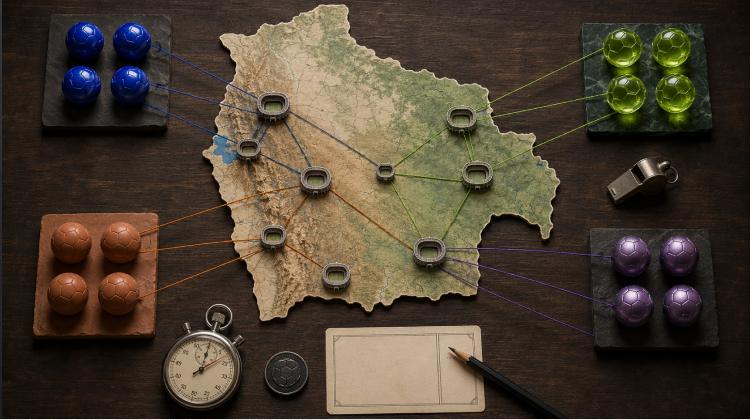
The draw placed the 16 professional clubs into four groups of four. Group matches will be joined by a round of designated rivalry fixtures, bringing the expected tournament total to 78 games.
| Group | Clubs |
|---|---|
| Group A | San Antonio, ABB, Aurora, Real Potosí |
| Group B | Always Ready, Real Oruro, Real Tomayapo, Nacional Potosí |
| Group C | Guabirá, Oriente Petrolero, The Strongest, Universitario de Vinto |
| Group D | Bolívar, GV San José, Blooming, Independiente Petrolero |
The competition will use a round-robin group phase before the top two teams from each section move into the quarterfinals. The final eight will then compete through two-legged knockout rounds toward the December 2 final.
The full group composition and tournament dates were confirmed after the July 22 draw in Santa Cruz de la Sierra. The Copa Bolivia group announcement also reported that the tournament will be played in parallel with the División Profesional league.
The absence of a preliminary playoff means each club starts with a simple target: finish first or second in its group. That direct structure should keep most sections competitive into their final rounds, especially if points remain close after the rivalry fixtures.
Group D Carries The Strongest Headline Appeal
Group D is likely to attract the greatest attention. It contains Bolívar, Blooming, GV San José and Independiente Petrolero, four clubs representing different football markets and very different competitive profiles.
Bolívar enters any national cup as one of the expected contenders. Its history, resources and regular continental participation create pressure to reach the latter stages. The cup also provides an alternative qualification route if the club’s league position becomes less secure than expected.
Blooming brings another major supporter base into the group. Matches involving the Santa Cruz club tend to carry strong local interest, particularly when the opponent is a leading La Paz side. Its meetings with Bolívar should rank among the most visible fixtures of the opening phase.
GV San José gives Oruro representation in a section filled with traditional brands. Playing at altitude and competing in front of a committed local audience can make its home matches difficult for visiting clubs.
Independiente Petrolero completes the group. The Sucre club has experience in short-format competitions and reached the semifinals of a comparable domestic cup tournament in 2024. It will also face Real Tomayapo during the intergroup rivalry round, adding a southern regional contest to its schedule.
The FBF’s 2026 season plan shows why the group carries added weight. The federation designed the league and cup as separate qualification systems, meaning a club can recover from an inconsistent league campaign by winning the cup.
Group C Combines Traditional Clubs And Regional Pressure
Group C features Guabirá, Oriente Petrolero, The Strongest and Universitario de Vinto.
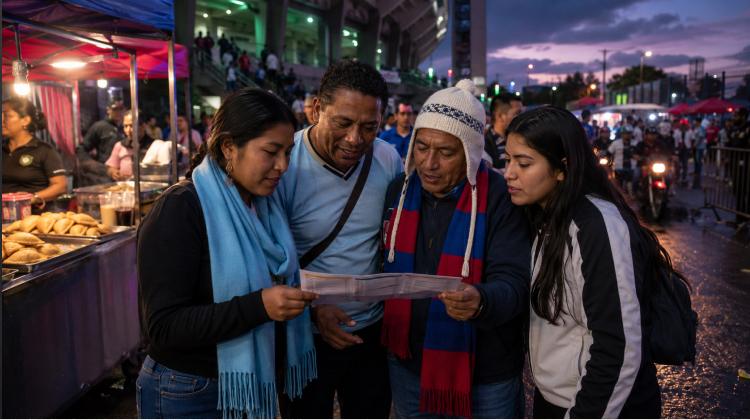
The Strongest will be expected to challenge for first place, but the group may demand more travel management than the club’s status suggests. Visits to Santa Cruz, Montero and Cochabamba-area opposition can create different playing conditions within a compact schedule.
Oriente Petrolero gives the section a second nationally recognized club. The Santa Cruz team’s results against The Strongest may shape the standings, but dropping points against Guabirá or Universitario could prove just as costly.
Guabirá has often built its strongest performances around matches in Montero, where heat, local familiarity and field conditions can change the rhythm of a fixture. A group-stage tournament rewards clubs that turn home matches into consistent points rather than relying on isolated major victories.
Universitario de Vinto enters as the side with less national pressure than The Strongest or Oriente. That position can be useful. The club does not need to control every match to compete for second place; disciplined home performances and efficient away results may be enough.
The group’s structure creates little room for a slow start. With only two quarterfinal places available, the larger clubs cannot assume reputation will carry them through.
Always Ready Leads A Difficult Group B
Group B contains Always Ready, Real Oruro, Real Tomayapo and Nacional Potosí.
Always Ready will begin as the most prominent contender in the section. The El Alto club has built its identity around aggressive attacking football and a significant home advantage at altitude. Its challenge will be maintaining cup intensity at the same time as a full league schedule.
Real Oruro gives the group another high-altitude destination. Nacional Potosí adds matches in the Villa Imperial, making travel and physical recovery major factors across the section.
Real Tomayapo offers a different test in Tarija. Teams accustomed to matches at extreme altitude must adjust to another environment, another pitch and a different pace of play.
Group B may become the section in which home results matter most. Three of its clubs can draw clear advantages from their locations, and away points could carry extra value in the race for the quarterfinals.
The official qualification system makes every group position financially relevant. According to the FBF, the Copa Bolivia champion receives the Bolivia 3 place in the Libertadores. If that champion has already qualified as Bolivia 1 or Bolivia 2 through the league, the berth passes to the highest league finisher that has not yet qualified.
That rule means cup results can influence clubs beyond the two finalists. A major team winning both the league and cup could move another Libertadores place down the league table.
Group A Offers The Most Open Quarterfinal Race
San Antonio, ABB, Aurora and Real Potosí make up Group A.
This section does not contain Bolívar, The Strongest or Always Ready, which should create a more balanced race. Aurora carries the strongest established profile of the four, but none of the clubs can treat qualification as guaranteed.
San Antonio has shown that organized teams from outside Bolivia’s traditional centers can compete for national honors. Its path will depend on maintaining structure through a tournament played at the same time as the league.
ABB enters with an opportunity to approach the cup differently from the longer championship. A short group phase can reward defensive improvement, set-piece production and selective squad rotation more quickly than a 30-match league season.
Real Potosí brings one of Bolivia’s historic football cities back into a tournament with continental consequences. Home fixtures in Potosí could become decisive if the group remains close.
Group A may produce the least predictable pair of quarterfinalists. That uncertainty should make its final matches especially relevant, since head-to-head results and goal difference could separate clubs with similar records.
The Libertadores Place Changes The Meaning Of The Cup
The main prize is not simply a domestic trophy.
Bolivia 3 enters the qualifying stages of the 2027 Copa Libertadores. That position offers a route toward the group stage, where CONMEBOL participation can bring international exposure, stronger opponents and valuable competition revenue.
The cup runner-up is assigned Bolivia 1 in the 2027 Copa Sudamericana, provided it has not already qualified for the Libertadores. The remaining Sudamericana places will be distributed through the league table among clubs that have not secured higher continental positions.
The confirmed Copa Bolivia qualification rewards create a clear sporting incentive for every club in the draw. Reaching the final can place a team directly into continental planning for the next season, subject to the federation’s overlap rules.
This format can change how clubs evaluate their season. A team sitting outside the league’s leading positions in October may still be three knockout ties away from the Libertadores. A club performing well in the league may view the cup as protection against a late decline.
The two competitions are connected, but they reward different qualities. The league measures consistency across 30 rounds. The cup places greater value on group management, two-legged knockout football and performance under immediate pressure.
Squad Depth Will Decide More Than The Draw
The Copa Bolivia will be played during the second half of a national league season that began on April 5. Clubs will need to manage travel, injuries, suspensions and player fatigue across two domestic competitions.
Coaches who rely on a small starting group may struggle once cup and league fixtures begin to overlap. Teams with useful academy players, versatile substitutes and several reliable defenders could gain ground even without the most expensive squad.
Rotation will carry risk. Resting too many starters can cost points in a short group stage, but using the same lineup every few days can reduce performance during the decisive months of October and November.
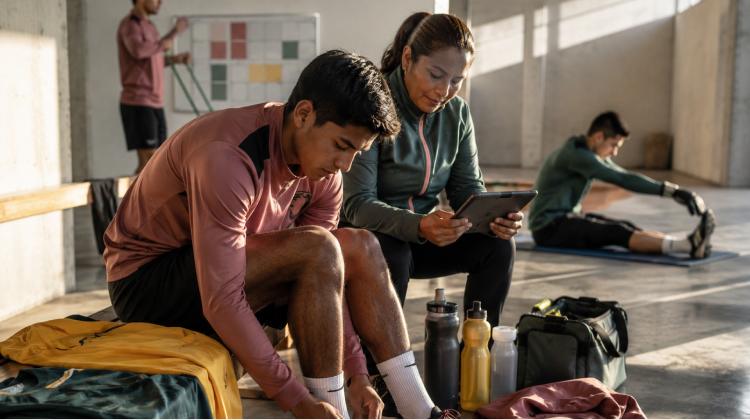
The cup can become a platform for younger Bolivian players. Group matches provide meaningful minutes under pressure, and a player who performs well in the competition could earn a larger league role or attention from clubs outside the country.
There is a tactical element as well. Group-stage matches allow limited recovery from an early mistake. The knockout rounds do not. Clubs that defend leads, manage away legs and execute set pieces will have an advantage once the quarterfinals begin.
Why The 2026 Draw Reshapes Bolivia’s Season
The Copa Bolivia draw did more than divide 16 clubs into four groups. It created a second competitive map for the final months of 2026.
Group D brings together Bolívar, Blooming, GV San José and Independiente in the tournament’s most marketable section. Group C places The Strongest and Oriente Petrolero under pressure from Guabirá and Universitario. Always Ready must manage difficult high-altitude and long-distance fixtures in Group B. Group A gives four clubs a realistic chance to reach the quarterfinals without facing one of the country’s three largest La Paz institutions.
The tournament will test whether Bolivia’s leading clubs can compete on two domestic fronts and whether less-favored teams can turn a compact format into continental qualification. (The Pinnacle of La Verde: Bolivian Player Statistics, Records and Rankings)
By December 2, the Copa Bolivia champion will have earned more than another trophy. It will hold Bolivia 3 in the 2027 Libertadores and could alter the distribution of international places across the league table.
That makes every group meaningful from the opening match on August 19. For clubs outside the league’s top positions, the cup is a route back into the continental race. For the established contenders, it is both an opportunity and a competition they cannot afford to dismiss.