
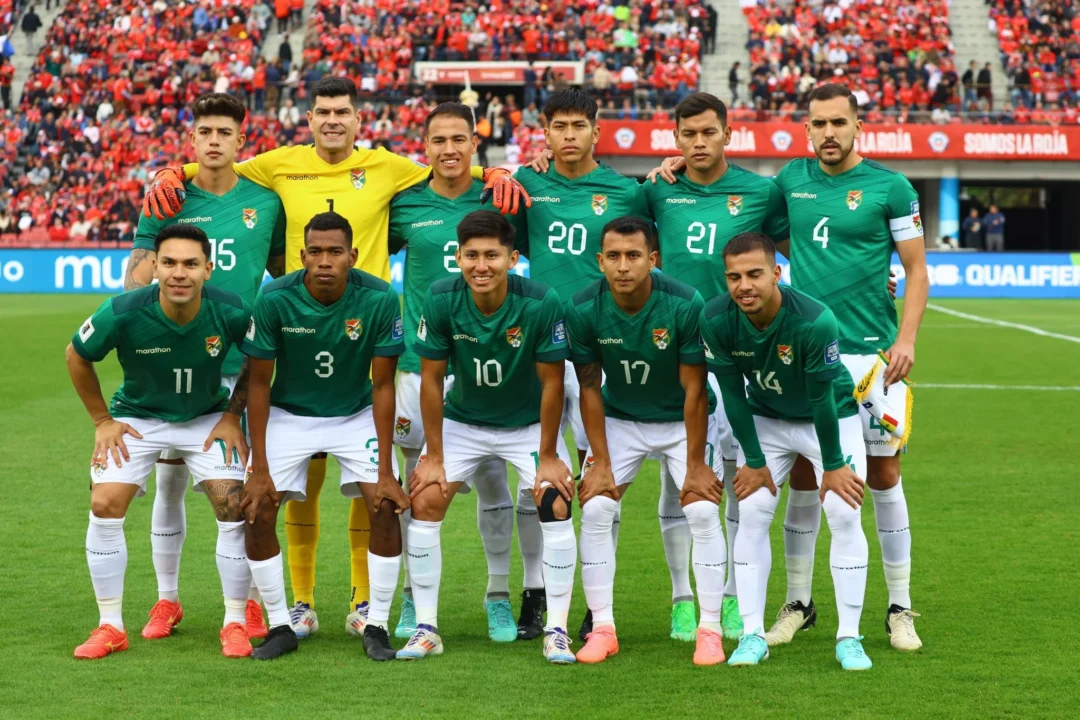
The May 2026 transfer window paints a stark picture of South American football inequality. As Brazilian and Argentine clubs negotiate multi-million euro deals, the Liga Profesional operates on an entirely different financial frequency. Analyzing current Bolivian transfer market trends reveals an ecosystem focused purely on institutional survival rather than squad expansion. The entire sixteen-team top flight carries a combined valuation hovering just under €90 million. This figure highlights a structural crisis that dictates how domestic clubs buy, sell, and retain their athletic assets.
The Deflation Of Domestic Valuations
The structural devaluation of Altiplano talent continues to paralyze domestic front offices. European and coastal South American scouts consistently apply the “Andean Tax” to any player originating from the highlands. They price in the physiological risk of moving an athlete from 3,600 meters down to sea level, resulting in heavily suppressed transfer offers.
Currently, the most valuable active players in the domestic league barely break the €800,000 threshold, according to global tracking data from Transfermarkt. Selling premium assets for such low fees on the international market makes reinvesting in local academies mathematically impossible. We previously covered this exact dynamic when analyzing Bolivian player market value, noting how clubs are forced to offload their top teenage prospects for development-squad prices simply to keep the stadium lights on.
Broadcasting Revenue And The Wage Gap
With outgoing transfer fees artificially capped by geographic bias, domestic television rights serve as the primary financial engine. This dynamic creates a severe imbalance within the league. The traditional giants in La Paz, such as Bolívar and The Strongest, absorb the vast majority of commercial and broadcasting income. They use this capital to hoard veteran talent and dominate the domestic standings.
Conversely, provincial teams operate on razor-thin margins. The structural reality for these smaller clubs involves chronic delays in player compensation. Global player unions like FIFPRO frequently highlight the Liga Profesional for repeated wage defaults. Athletes going months without a paycheck cause free-agent movement to spike. The transfer market becomes less about strategic recruitment and more about players seeking immediate financial stability.
Transitioning To The Lithium Economy
Macroeconomic shifts are beginning to alter the traditional power dynamics of Bolivian football. The national government’s aggressive push into green mining and lithium extraction is creating new regional wealth centers. This industrial pivot directly impacts club sponsorships. Teams located near these emerging economic zones are suddenly displaying purchasing power that rivals the established La Paz institutions.
Tracking these league-wide developments shows a slow but noticeable migration of veteran talent toward clubs backed by mining interests. The table below illustrates the stark contrast in squad valuations across the 2026 Liga Profesional, highlighting the financial divide between the elite and the provincial survivalists.
| Club Tier | Examples (2026) | Average Squad Value | Primary Revenue Driver |
| Tier 1 (The Elite) | Bolívar, The Strongest | €6.0M – €10.0M | Broadcasting, Continental Prize Money |
| Tier 2 (Emerging) | Always Ready, Nacional Potosí | €5.0M – €7.5M | Corporate Sponsorships, Mining Ties |
| Tier 3 (Provincial) | Aurora, Real Potosí | €4.0M – €4.5M | Local Gate Receipts, Minor Sponsorships |
| Tier 4 (Survival) | Univ. de Vinto, Ind. Petrolero | Under €3.8M | Municipal Support, Subsidies |
Scouting The Dual-National Diaspora
Since domestic academies lack the funding to produce elite technical prospects, recruitment departments are changing their strategy. Sporting directors are increasingly looking outward, targeting the Bolivian diaspora in Argentina, Spain, and the United States. Utilizing modern database scraping to identify eligible dual-nationals is highly cost-effective.
Signing a 22-year-old dual-national who developed in a second-tier Argentine academy often requires a lower initial investment than purchasing a proven domestic starter from a rival Liga Profesional club. This strategy injects much-needed technical diversity into the league. It bypasses the broken domestic pipeline and allows clubs to acquire tactically disciplined players without paying the premium prices demanded by the traditional La Paz powerhouses. Until the internal valuation models correct themselves, importing talent from the diaspora remains the most viable strategy for competitive survival.