

Football is known for its goals, trophies, and brutal poetry. The sport’s history is filled with broken bones and shattered dreams.
Take Carlos Lampe, for example. He was Bolivia’s goalkeeper, then he suffered a ruptured Achilles. Now, he watches as an opponent scores.
We’ll look at common injuries. The Achilles snap is a severe injury. ACL tears can end a career, as Roberto Baggio found out. Herniated discs, like Gianluigi Buffon’s, cause long-term pain.
Back spasms are also common. They’re affecting Neymar and Brazilian fans. These injuries are not just bad luck. They show the risks of sports.
This is like an autopsy, but with humor. We’re studying knee, ankle, and foot injuries that shape careers. For more on these injuries, check out our guide to knee ankle foot injuries.
Recovery timelines
Every injury timeline tells two stories. The first is about the body’s repair schedule. The second is about a club’s rush to get their star player back. Medicine gives averages, but football looks for the best.
The ACL’s repair time is at least 120 days, doctors say. But Roberto Baggio, known as the Divine Ponytail, scored in 76 days. He showed that with determination, you can beat the odds.
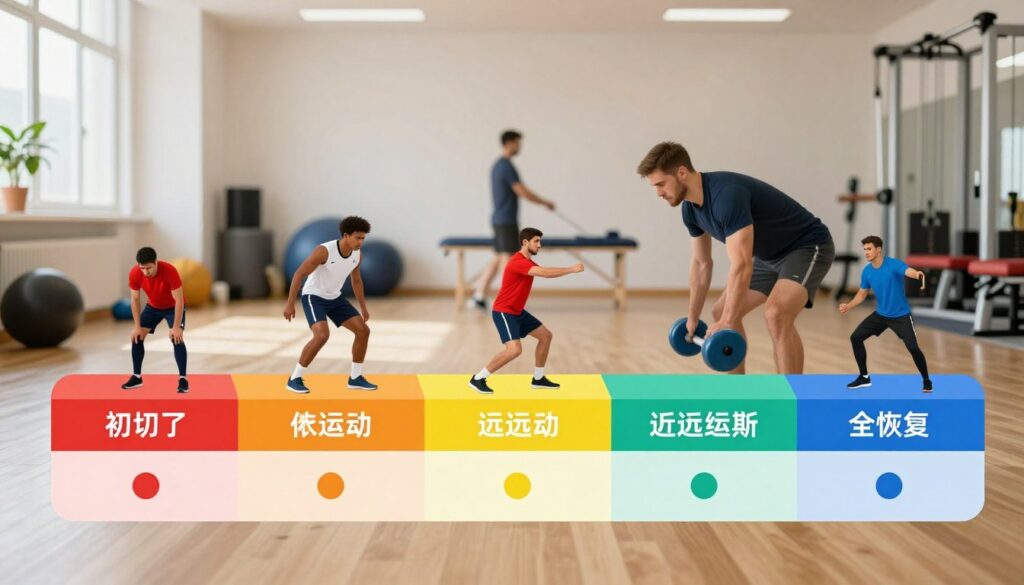
But Baggio’s story is rare. Only 6% of athletes pass return-to-play tests in six months after ACL surgery. By nine months, only 11% make it. That’s a high failure rate.
It’s not just about counting days. It’s about turning science into sports success. Player fitness is key to winning games and keeping sponsors happy.
Gianluigi Buffon came back after just over six months with a spinal surgery. His recovery was fast and defied the odds.
What makes the 6% succeed? It’s not just genetics. It’s also about the right rehab, nutrition, and mental support. For more on this, check out these football injuries success stories.
The gap between doctors’ advice and coaches’ demands is huge. It’s a tense negotiation. The final test is always the next game.
True player fitness means being ready to play, not just cleared by doctors. It’s the ultimate test.
Medical staff influence
Forget the star manager’s pep talk. The real heroes are the people you rarely see on camera. They’re the physios, doctors, and sports scientists who work behind the scenes. In the story of any Bolivia injury report, they are the unsung heroes.
The Isokinetic Medical Group is like a war room. They don’t just treat injuries; they plan attacks on them. Their approach is all about the patient, focusing on goals and progress.

Their strategy is tough but smart. It includes 60% gym work, 15% pool therapy, and on-field drills. It’s a careful plan to rebuild an athlete.
Their tools sound like something from a sci-fi movie. They use the SKILL LINE and advanced surgery techniques. Recovery includes cryotherapy, laser therapy, and more.
This is where a generic Bolivia injury report becomes a personal mission. The medical staff’s work is key. They turn bad news into a plan for recovery. They make the difference between a career cut short and a triumphant return.
Return-to-play impact
The bandage comes off. The boots go back on. This is when theory meets reality. The impact can be as sudden as a tendon snap.
Bolivia learned this the hard way with Carlos Lampe’s Achilles injury. Chile scored a goal in the chaos. This sparked a debate over fitness and fairness.
Gianluigi Buffon’s story is different. After surgery, he became a top player again. He played a decade longer at his best.
But not every player is as lucky. Some lose speed forever. The decision to return to play is risky. It’s about a player’s career and a team’s investment.
Modern football emphasizes a careful, step-by-step return. This protects player fitness for the long term.
Teams rely on one player’s readiness. We celebrate comebacks. But we must also see the challenges ahead.